
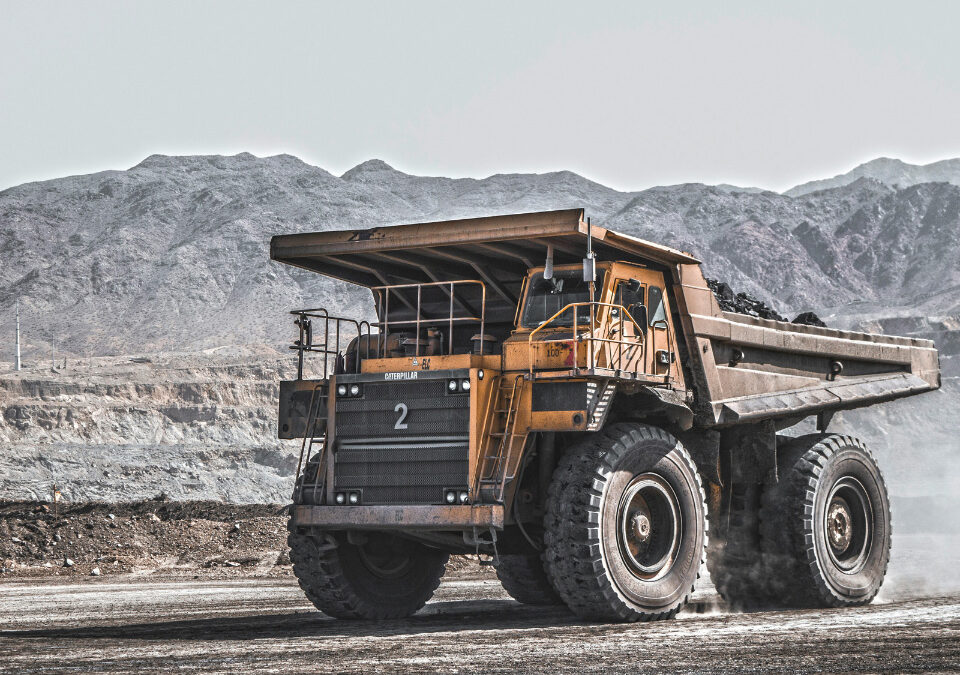
Mining environments are dynamic and high-risk, where heavy machinery and mobile equipment frequently operate alongside workers. These conditions demand strict traffic control and safety measures to prevent accidents, protect lives, and maintain regulatory compliance. By implementing clear protocols, investing in training, and adopting safety-first practices, mining companies can significantly improve both worker safety and operational efficiency.
Why Traffic Control Is Critical for Mobile Equipment Safety in Mines
Effective traffic control is essential in mining operations because mobile equipment—such as haul trucks, bulldozers, and loaders—poses serious risks when not properly managed. These vehicles often operate in environments with limited visibility, uneven terrain, and confined spaces, which amplifies the chances of collisions, rollovers, and worker-related incidents.
Without a structured traffic management system, accidents can lead to costly delays, equipment damage, and, more importantly, injury or loss of life. By establishing designated travel routes, installing proper signage, and enforcing traffic rules, mining sites can significantly reduce these risks and maintain smooth operations.
Common Hazards Associated With Mobile Equipment in Mining
While mobile equipment is essential to productivity, it also introduces a range of hazards if not carefully controlled. For example, the sheer size and design of many mining vehicles lead to limited visibility and dangerous blind spots. Congested work areas and poor signaling increase the risk of vehicle-to-vehicle collisions, while the absence of clear separation between personnel and equipment contributes to vehicle-to-worker incidents.
Additionally, the rugged terrain of mining sites can make rollovers more likely, particularly on steep slopes or unstable ground. Mechanical failures, often due to poor maintenance, further compound these dangers. Recognizing these hazards early is important, as it allows mining companies to craft targeted safety plans that mitigate risks before they result in accidents.
MSHA Regulations on Traffic Safety and Mobile Equipment Use
The Mine Safety and Health Administration (MSHA) plays a central role in regulating traffic safety within mining operations. The agency mandates a range of safety measures, from operator training and roadway design to vehicle inspections and speed control.
To comply with MSHA regulations, mining companies must ensure that all operators are properly trained and certified. Travel routes must be clearly marked, speed limits enforced, and vehicles regularly inspected and maintained. Failure to meet these standards can lead to fines, citations, and increased exposure to accidents and liability.
Key Elements of Traffic Safety: Management, Signage, Speed Regulations & Compliance
Effective traffic safety in mining operations hinges on several components. A well-structured traffic management plan must incorporate clear visual signage, defined operational procedures, and reliable communication systems. Management plays a pivotal role in establishing and enforcing these standards, while signage must be strategically placed to designate travel routes, hazard zones, and loading areas, ensuring that both operators and ground personnel can navigate safely. Speed regulations should reflect the unique characteristics of each site, including weather patterns, terrain, and equipment type.
Maintaining open communication—whether through radios, visual signals, or designated spotters—is essential, particularly in high-traffic or restricted areas. Routine inspections and compliance audits ensure that safety measures are followed consistently. Ultimately, adhering to the key elements of traffic safety not only reduces the risk of incidents but also promotes a culture of safety and accountability across the site.
Designing Safe Travel Routes and Traffic Flow Patterns in Mines
Safe and efficient traffic planning starts with mapping out clear, organized routes for both vehicles and pedestrians. One-way traffic flows are ideal wherever possible, as they help reduce the risk of head-on collisions. Equally important is maintaining distinct separation between pedestrian walkways and heavy equipment paths to minimize contact risks.
Physical barriers, such as berms or reflective markers, can further enhance visibility and guide movement safely. High-risk zones like intersections and blind spots should be well-lit and, where applicable, fitted with mirrors to expand visibility. Beyond safety, such planning often leads to smoother, more efficient traffic flow across the entire operation.
Operator Training and Certification for Mobile Equipment Use
Training is a foundational pillar of mining safety. MSHA mandates that all equipment operators receive both classroom instruction and hands-on training tailored to the specific vehicles they’ll be using. This ensures that operators can recognize potential hazards and handle equipment safely under various conditions.
Certification testing confirms operator competency, and ongoing refresher courses help maintain up-to-date knowledge. Beyond regulatory compliance, thorough training programs also instill confidence in operators, helping them respond effectively in high-pressure or emergency situations.
Blind Spots and Collision Avoidance in Mining Vehicles
Due to their size and design, many mining vehicles suffer from significant blind spots. These unseen areas pose real risks, particularly in busy work zones. To mitigate this, mining companies are increasingly equipping vehicles with 360-degree cameras, proximity sensors, and other technologies designed to improve operator awareness.
In high-traffic areas, the presence of trained spotters can be invaluable. Workers on foot should always wear high-visibility PPE (personal protective equipment), ensuring they’re easily seen by equipment operators. Installing collision avoidance systems that provide audible or visual alerts can also help prevent serious incidents before they occur.
Enhancing Safety Through Equipment Control and Roadway Management
Improving traffic safety in mining environments requires a dual focus on both equipment control and the condition of the roadways. Advanced technologies such as automated braking systems in heavy vehicles significantly reduce the risk of collisions, particularly during unexpected stops. Establishing clear protocols for vehicle movement—based on factors like size, load, and operational role—helps prioritize traffic flow and minimize operational confusion.
Equally important is proactive roadway condition management. Consistent grading and surface maintenance prevent common hazards such as tire blowouts, equipment instability, or rollovers caused by uneven terrain. Implementing scheduled traffic flow rotations and staggering equipment movement can reduce congestion and optimize site logistics. By enhancing safety through equipment control and roadway condition management, mining operations can achieve tangible improvements in both worker safety and overall operational efficiency.
Inspection and Maintenance Protocols for Mobile Equipment
Routine inspections and proactive maintenance are essential to keeping mining equipment safe and operational. Daily pre-shift checks—focusing on brakes, tires, steering systems, and warning devices—help catch issues before they become serious.
A well-structured preventive maintenance schedule, aligned with usage hours and workload, reduces the chance of mechanical failures. Many operations also use tracking software to monitor repair history and schedule upcoming services. Promptly addressing any equipment issues is not only a best practice—it’s a regulatory requirement under MSHA guidelines.

Incident Response: What to Do in Case of Equipment-Related Accidents
Even with robust safety systems in place, accidents can still occur, making a fast and effective incident response plan necessary. The first priority is to secure the area and prevent further harm. Emergency services and site management should be notified immediately, and first aid provided until professionals arrive.
Once the scene is stabilized, a detailed incident report should be compiled, including photos, witness statements, and operator logs. Conducting a thorough root cause analysis helps identify underlying factors and ensures that lessons are learned to prevent future occurrences. A swift, organized response can save lives and reduce both downtime and reputational damage.
Building a Safer Traffic Environment in Mining Operations
Creating a safer traffic environment in mining isn’t the responsibility of a single person or department—it requires coordination among operators, supervisors, engineers, and regulators. By embracing a safety culture grounded in MSHA compliance, advanced training, emerging technologies, and thoughtful roadway planning, mining companies can substantially reduce risks.
Ultimately, a safer worksite does more than protect lives—it enhances morale, boosts productivity, and safeguards the long-term success of mining operations.