

In mining, safety isn’t just a policy—it’s the foundation of the entire operation. And when it comes to fire, there’s very little room for error. Whether underground or on the surface, fires can escalate quickly due to limited escape routes, the presence of flammable materials, and the nature of heavy equipment. That’s why having the right firefighting tools and a well-rehearsed plan in place is essential. It’s not only about staying compliant with MSHA regulations—it’s about protecting people and keeping operations running smoothly.
This guide walks through what you need to know: the firefighting equipment that works best in mines, how to use it, and what procedures should be second nature to your team.
Why Firefighting Equipment Is Critical in Mining Operations
Mines are unique when it comes to fire risk. Heavy machinery, fuel, and confined working spaces mean even a small flame can become a major incident in minutes. But with the right equipment on-site—and ready to go—you buy valuable time in an emergency. Fast action can keep a minor issue from turning into a major disaster.
Fire readiness doesn’t just protect your workers—it keeps your equipment and infrastructure safe, too. It also ensures you’re meeting regulatory requirements. MSHA takes fire safety seriously, and for good reason: a single oversight can have devastating consequences.
MSHA Requirements for Firefighting Equipment in Mines
Understanding MSHA regulations and fire prevention in mines means knowing that MSHA has specific rules for firefighting equipment, which differ depending on whether you’re in an underground or surface mine. Essentially, every active mining area must have fire suppression tools close at hand. This usually includes fire extinguishers, water lines, or built-in suppression systems.
In underground mines, MSHA often requires the use of fire-resistant hydraulic fluids to lower the risk of fires starting. But it’s not just about having the right equipment; mines must also maintain a written fire prevention plan and ensure their teams are properly trained to implement it. Regular inspections and testing of firefighting gear are mandatory, and proper documentation is necessary. Failing to meet these standards can lead to serious penalties or even shutdowns.
Types of Firefighting Equipment Used in Underground and Surface Mines
Firefighting equipment in mines isn’t one-size-fits-all. What works in a small surface site may not cut it underground. Portable extinguishers are a basic must-have and are often the first line of defense. Larger operations also depend on fire suppression systems—either manual or automatic—especially on heavy equipment or near fuel storage.
Water lines and hoses are still widely used, particularly for larger fires that require more than just a handheld extinguisher. Underground workers also carry self-contained self-rescuers (SCSRs), which provide breathable air if smoke or gases make the environment unlivable. And in some areas, fire-resistant barriers are added to slow the spread of flames.
Automatic vs. Manual Fire Suppression Systems in Mines
Both automatic and manual systems have their place, and many operations use a mix of both. Automatic systems are great for areas where workers may not be nearby—like on mobile equipment or remote parts of a haul road. These systems can detect heat or smoke and kick into action immediately, reducing the need for human intervention.
Manual systems, on the other hand, are simpler and more cost-effective. They rely on trained personnel to activate them, so they’re more common in areas where workers are always present. The key is making sure that no matter the system, it fits the risk level and layout of the area it’s protecting.
How to Select the Right Fire Extinguisher for Mining Environments
Not all fire extinguishers are created equal. You’ve got to match the extinguisher type to the fire hazard. For example, Class A extinguishers are used for common combustibles like wood or paper—less common in mines, but still worth considering for offices or surface buildings.
More relevant to most mine sites are Class B extinguishers, which are designed for flammable liquids like diesel or oil, and Class C extinguishers for electrical fires—something that can happen around control panels or mining equipment. A lot of mines opt for multipurpose extinguishers that handle more than one class, just to cover their bases.
Proper Placement and Maintenance of Fire Suppression Equipment
Even the best fire equipment is useless if no one can find it or if it doesn’t work when needed. Placement matters. Extinguishers and suppression systems should be installed where they’re easy to spot and even easier to access, especially near machinery or fuel storage areas.
And once it’s in place, it needs regular care. MSHA requires routine inspections, and those checks should be logged. Make sure extinguishers are fully charged, hoses aren’t cracked or blocked, and systems are functioning correctly. Don’t wait for an emergency to find out something’s not working.
Inspection and Testing of Firefighting Equipment: What MSHA Looks For
During inspections, MSHA will take a close look at your firefighting setup. They’ll want to see that all required equipment is present, correctly labeled, and up-to-date. That means pressure-tested extinguishers, properly tagged suppression systems, and documented maintenance logs.
They’ll also ask about training—can your workers actually use the equipment if they need to? MSHA doesn’t just want to see a checklist—they want to know your team is ready to act.
Training Requirements for Firefighting Readiness in Mines
Training isn’t a one-and-done event. It has to be ongoing, practical, and relevant to the conditions workers actually face on the job. Everyone—from new hires to seasoned vets—should know how to recognize fire risks, operate extinguishers, and follow evacuation plans.
That includes knowing how to shut down nearby machinery, who to report to, and where to go in an emergency. Training should be hands-on whenever possible and reinforced through regular fire drills. When people are confident and well-practiced, they respond faster and safer in a real emergency.
Emergency Firefighting Procedures for Mine Workers
When a fire breaks out, every second counts. Workers need to know the basics—raise the alarm, shut down nearby equipment if it’s safe, use firefighting gear if the fire is still small, and then evacuate following the designated escape routes.
Once out of danger, everyone should report to a designated assembly area so that headcounts can be taken. This isn’t just about accountability—it helps emergency responders focus their efforts and ensures no one gets left behind. Practicing these steps regularly makes them second nature.
Safe Handling and Storage of Flammable Liquids in Mines
When it comes to safe handling and storage of flammable liquids in mines, fuel, oil, and solvents play a major role in daily operations—but they’re also a top cause of fires. Proper storage and handling are key to cutting down fire risks. This means using approved containers, keeping storage areas clean and well-ventilated, and making sure everything stays clear of ignition sources.
MSHA has strict rules on how these flammable liquids must be stored, transported, and handled. Following these guidelines isn’t just about compliance—it’s about protecting your team and keeping your mine safe.
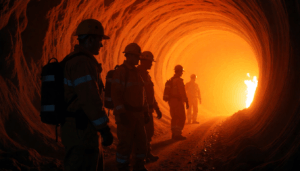
Integrating Firefighting Systems with Overall Mine Safety Plans
Fire safety shouldn’t be treated as a separate checklist—it needs to be fully integrated into your broader safety plan. That means making sure your firefighting strategies work in harmony with your ventilation systems, your evacuation protocols, and your communication procedures.
When these elements are connected, your entire emergency response becomes stronger. It also improves compliance and builds a stronger safety culture across the board.
Strengthening Mine Safety Through Preparedness and Prevention
The bottom line is this: preparation saves lives. Whether it’s choosing the right equipment, conducting regular training, or keeping everything maintained and compliant with MSHA standards, the work you put in now directly affects how well your team handles a crisis later.
By staying ready—not just on paper, but in practice—you create a safer environment for everyone. And in a high-risk industry like mining, that makes all the difference.