
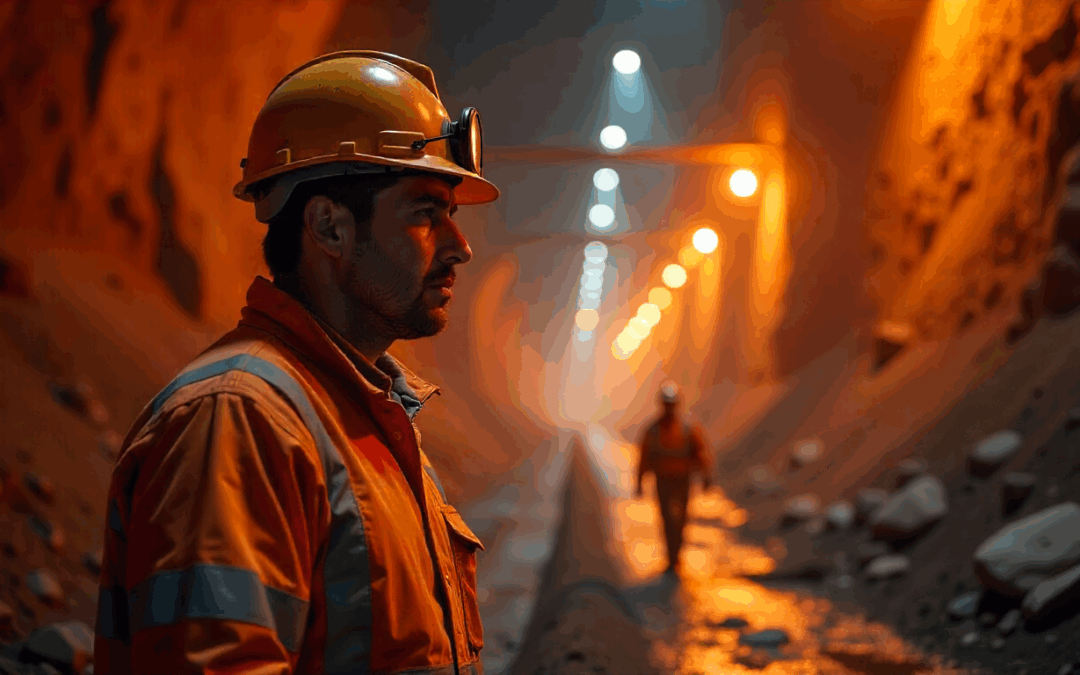
Mining is one of the most hazardous industries in the world, where even a small oversight can lead to catastrophic outcomes. One of the safety concerns in both surface and underground mining operations is fire prevention. The Mine Safety and Health Administration (MSHA) plays a role in enforcing regulations designed to protect miners from fire-related incidents. For mine operators, safety managers, and miners alike, understanding these regulations is essential not only for compliance but for creating a safer, more resilient workplace.
This guide offers a clear breakdown of key MSHA regulations, identifies common fire hazards, and outlines proven prevention strategies every mining operation should prioritize.
Key MSHA Regulations for Mine Safety Compliance
MSHA’s regulatory framework is built around clear, enforceable standards aimed at minimizing fire risks and enhancing miner safety. These requirements are detailed in 30 CFR Part 75 for underground coal mines and Part 57 for metal and nonmetal mines.
Key mandates include the installation of MSHA-approved fire suppression systems in areas where equipment is vulnerable to overheating or malfunction. Fire extinguishers must be readily accessible across the site, and regular fire risk assessments are required to identify evolving hazards. Additionally, proper ventilation is crucial to limit the spread of smoke and toxic gases in the event of a fire.
Noncompliance can result in severe penalties, and more importantly, can compromise the safety of everyone on site.
Recent Updates to MSHA Fire Safety Regulations
As mining technology evolves, so do the associated risks. MSHA has updated its fire safety standards in recent years to address these emerging challenges. Notable updates include enhanced emergency evacuation protocols aimed at improving response times during fire incidents. There are now stricter requirements surrounding the maintenance and inspection of fire suppression systems, ensuring that they remain operational when needed most. Additionally, MSHA has introduced new reporting standards for the storage and handling of flammable materials, helping mines manage these substances more safely and transparently.
Common Fire Hazards in Underground and Surface Mines
Mining environments are inherently hazardous, and many of the fire risks are both common and preventable:
- Flammable liquids such as fuel, lubricants, and hydraulic fluids are frequently used and can easily ignite if not handled correctly.
- Electrical equipment—especially in high-demand settings—can overheat or spark if poorly maintained.
- Combustible dust, often found in confined or poorly ventilated areas, also poses a serious ignition risk.
- Finally, improper storage of explosives or hazardous chemicals can significantly increase the chances of fire-related incidents.
Recognizing these threats early enables operators to take preventive action before a dangerous situation develops.
Fire Prevention Strategies and Best Practices in Mining Operations
A proactive approach is key to effective fire prevention in mining. Regular equipment inspections help catch faults before they can cause a fire. Good housekeeping practices, such as controlling the buildup of combustible materials, should be part of daily routines.
It’s also important to ensure that all workers are trained in fire response and evacuation procedures. Automated fire suppression systems should be installed in high-risk zones to provide immediate response in the event of ignition. When these measures are consistently applied and monitored, fire-related incidents can be significantly reduced.
Safe Handling and Storage of Flammable Liquids in Mines
The safe handling and storage of flammable liquids in mines is more than just a regulatory requirement—it’s a safety practice that protects both workers and operations. These substances are essential to many mining processes, but when mismanaged, they can quickly become major fire and health hazards.
To stay compliant with MSHA regulations, flammable liquids must be kept in approved containers that are clearly labeled and specifically designed for hazardous materials. Storage areas should be located well away from any heat sources or potential ignition points and laid out to prevent cross-contamination or accidental mixing of incompatible substances.
Equally important is training. Workers should be thoroughly trained in safe transfer methods and spill prevention techniques to reduce the risk of accidents. By prioritizing the safe handling and storage of flammable liquids in mines, operators can significantly lower the risk of fire-related incidents—and be better prepared for MSHA inspections.
Emergency Response Plans Required by MSHA
In any mining operation, having a solid emergency response plan isn’t just a smart move—it’s a requirement under MSHA regulations. These plans are meant to guide workers through critical moments, especially in the event of a fire or similar emergency. But for a plan to be effective, it has to be more than just a binder on a shelf.
At its core, the plan should lay out clear evacuation routes and mark emergency exits that workers can access quickly from any part of the mine. It also needs to include a reliable way to communicate with crews during an emergency, along with clearly assigned roles so everyone knows who’s doing what when it matters most.
This level of preparedness ties directly into fire safety essentials. It’s not just about what’s written down—it’s about making sure those systems actually work when they’re needed. When workers are familiar with their escape paths, when drills are part of the routine, and when ventilation systems are tested and maintained, the response becomes second nature. That’s what keeps people safe and operations resilient when the unexpected happens.
Fire Drills and Evacuation Procedures in Mining Environments
Fire drills are an important part of any safety program and are not optional under MSHA rules. Regular evacuation exercises should be conducted for all shifts to ensure that every worker is familiar with the process.
These drills should include testing of communication systems, alarms, and designated emergency meeting zones. Familiarity with evacuation procedures allows miners to act quickly and decisively when time is of the essence.
Training and Equipment Requirements Under MSHA Rules
Training is one of the most effective tools in fire prevention and response. MSHA requires that all personnel receive instruction on fire safety procedures, including how to use firefighting equipment and respond to emergencies.
Operators must also provide appropriate personal protective equipment (PPE), such as fire-resistant clothing, and ensure it is properly maintained. Firefighting tools and systems should be regularly tested, and all training must be documented and refreshed periodically to maintain compliance.
How to Conduct a Fire Risk Assessment in Mines
Fire risk assessments are essential for identifying vulnerabilities within a mining operation. This process involves evaluating all potential ignition sources, from electrical systems to fuel handling practices.
Operators must also review existing fire safety measures to ensure they are functioning as intended and address any gaps. Ventilation and suppression systems should be tested for effectiveness, and all findings must be documented. As mining environments change—through the introduction of new equipment or materials—risk assessments should be updated accordingly.
Common MSHA Violations Related to Fire Prevention
Despite best intentions, many operations are cited for preventable violations. Common infractions include failing to provide adequate fire extinguisher coverage, improper storage of flammable materials, and neglecting to conduct mandatory fire drills.
In some cases, fire suppression systems are found to be nonfunctional or improperly maintained. These violations not only put miners at risk but can also result in substantial financial penalties and reputational damage.
How to Prepare for MSHA Inspections and Fire Safety Audits
Preparation is key to passing MSHA inspections without issue. Mine operators should ensure that all safety documentation is current, well-organized, and easily accessible. Conducting internal audits can help identify and resolve potential issues before an official inspection.
Training records and equipment certifications should be regularly reviewed and updated. Scheduling mock inspections can also serve as a valuable tool to assess overall compliance and ensure that staff are ready to demonstrate adherence to safety protocols.
Staying Compliant and Preventing Fires in Mines
Mining will always carry a degree of risk, but through diligent compliance with MSHA regulations and the adoption of strong fire prevention strategies, those risks can be significantly mitigated. From the safe handling of flammable materials to the execution of regular fire drills and the development of robust emergency plans, each action taken contributes to a safer mining environment.
Ultimately, fire safety is more than just a regulatory checkbox—it’s a commitment to protecting lives, maintaining operational integrity, and ensuring long-term success in the mining industry.