
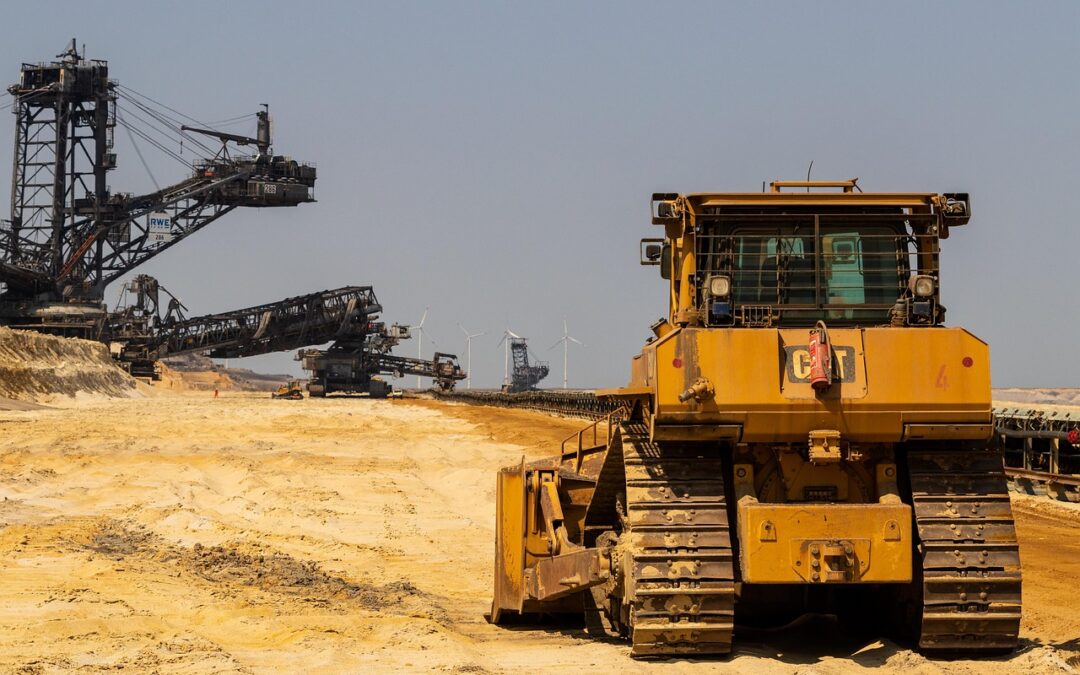
Mining demands hard work and carries high risks, so safety must guide every shift, decision, and job site. Despite strong precautions, accidents and fatalities still occur — and when they do, MSHA takes immediate action. MSHA investigates incidents to find what went wrong and works to prevent the same mistakes from happening again. Mine operators must understand MSHA’s investigation process to meet regulations, protect workers, and improve long-term safety performance.
What Is MSHA and Why It Investigates Mining Accidents
MSHA is a division of the U.S. Department of Labor tasked with enforcing mine safety standards. Since its creation under the Federal Mine Safety and Health Act of 1977, MSHA has focused on reducing injuries, illnesses, and fatalities throughout the mining industry.
A part of understanding what MSHA is and why it investigates mining accidents lies in its response to serious incidents. When accidents occur, MSHA initiates a formal investigation to determine whether safety protocols were followed and to identify both direct and underlying causes. These investigations are not solely about assigning blame—they aim to improve future safety practices and hold mine operators accountable when standards are violated.
By understanding what MSHA is and why it investigates mining accidents, it becomes clear that the agency plays a proactive role in strengthening safety culture across the mining sector.
What Mine Operators Must Report to MSHA — And When
Timely communication with MSHA is not optional — it’s a legal requirement. When a fatality happens, mine operators must notify MSHA immediately, and no later than 15 minutes after becoming aware of the incident.
Other serious occurrences, such as life-threatening injuries, entrapments, or significant roof falls, must also be reported without delay. Operators are expected to provide clear details about when and where the incident occurred, and what is known about the cause.
Delays or inaccuracies in reporting can lead to steep penalties, but more importantly, they hinder MSHA’s ability to respond quickly and effectively to protect others on site.
What Is MSHA’s Role in Mining Accident Investigations?
MSHA investigators do much more than gather surface-level information. After an incident, they arrive on-site to conduct a detailed examination. This includes securing the affected area, preserving evidence, and interviewing workers and witnesses to get a clear understanding of what happened.
Investigators also review maintenance records, training documentation, safety plans, and other operational data. When necessary, technical assessments — such as air quality tests or equipment analysis — are performed. Together, these steps help MSHA identify both the immediate and underlying causes of the event.
The Process MSHA Follows After a Mining Fatality
When a mining fatality occurs, MSHA’s response is swift and structured. First, they coordinate with emergency responders to ensure the scene is safe and no ongoing danger exists. Investigators then begin examining the physical environment, machinery involved, and any contributing geological factors.
They also gather testimony from coworkers, supervisors, and emergency personnel to understand the sequence of events. After analyzing all findings, MSHA compiles a formal report that outlines what happened and how similar incidents can be avoided in the future. These reports are made publicly available to promote transparency and learning across the industry.
How MSHA Determines the Root Cause of Mining Accidents
Finding the root cause is central to MSHA’s approach. Investigators look beyond the obvious to identify the deeper reasons why an incident occurred. This could involve human factors, such as fatigue, poor communication, or inadequate training. It might also stem from technical failures, like a mechanical malfunction or missed maintenance.
Environmental conditions — including unstable ground, ventilation issues, or visibility concerns — are considered alongside gaps in company policy or enforcement. By digging into these layers, MSHA is able to offer recommendations that go beyond quick fixes and address systemic vulnerabilities.
Real MSHA Investigation Case Studies and Their Outcomes
Past investigations have led directly to improvements in mining safety standards. For instance, roof collapse incidents prompted more rigorous ground control regulations. Equipment-related fatalities resulted in new training mandates for operating heavy machinery safely. In cases involving explosives, revised ventilation plans and updated emergency protocols were introduced.
MSHA regularly publishes summaries of these cases to help other operators learn from real-world scenarios and apply those lessons to their own sites.
Key Laws That Give MSHA Authority to Investigate
MSHA’s power to inspect and investigate mine sites comes from key federal laws. The Federal Mine Safety and Health Act of 1977 gives the agency broad authority to enforce safety standards and respond to incidents.
Regulations like 30 CFR Part 50 require mine operators to report accidents and illnesses, while 30 CFR Part 100 outlines the penalties that can be issued when violations occur. These laws provide the foundation for MSHA’s work and ensure that investigations are carried out consistently and fairly.
How MSHA Collaborates with Employers and Unions During Investigations
While MSHA acts as a regulator, investigations are most effective when there’s cooperation from all sides. Inspectors typically work with site managers, safety personnel, and labor representatives to gather information, clarify procedures, and ensure access to key areas.
Employers and unions may also be involved in reviewing findings and implementing corrective actions. This collaboration not only improves the investigation process but also reinforces a shared commitment to safety and accountability.
What Happens After MSHA Issues a Violation or Citation?
If MSHA determines that safety violations contributed to an accident, they may issue citations or orders. A citation typically requires the operator to fix the problem within a certain period. In more serious cases, MSHA can issue an order to stop work in a specific area until the hazard is addressed.
Fines may also be imposed, depending on the severity of the violation and whether it was deemed “significant and substantial.” Operators must act quickly to comply with these directives or face additional enforcement action.
How MSHA Investigations Help Prevent Future Tragedies
Each investigation concludes with formal recommendations to improve safety procedures and training. These might include revising emergency plans, updating monitoring technology, or addressing communication breakdowns between supervisors and workers.
By applying the findings from accident investigations, mining companies can strengthen their operations and reduce the likelihood of repeat incidents. This learning process is central to building a safer industry.
The Role of Technology in MSHA Investigations Today
Modern tools are making MSHA investigations more precise and efficient. Drones are now used to conduct aerial inspections of hard-to-reach areas, while 3D scanning helps recreate accident scenes in detail. Sensors and monitoring devices provide real-time data on environmental conditions, which can be helpful during analysis.
These technologies not only improve accuracy but also allow MSHA to complete investigations faster — which means safer practices can be implemented sooner.
How New MSHA Rules Impact Accident Investigations
As the mining industry evolves, so do the rules that govern it. MSHA routinely updates its regulations to reflect new risks and technologies. Recent changes include stricter rules for reporting near-miss incidents, updated training requirements for autonomous machinery, and more detailed protocols for managing chemical hazards.
Staying up to date with these changes is crucial for operators who want to stay compliant — and protect their crews from emerging threats.
How MSHA Investigations Save Lives
Every mining accident is a tragedy, but each one also offers a chance to learn and improve. MSHA investigations shine a light on what went wrong, who was affected, and how similar events can be avoided. By holding companies accountable and sharing findings across the industry, these investigations have a direct impact on safety outcomes.
In an industry where risk is always present, MSHA’s work remains one of the most powerful tools for protecting miners and ensuring everyone goes home safely at the end of the day.