

Mining has always involved risk, but many serious injuries and fatalities are not caused by unpredictable events. Instead, they often result from known hazards that were not properly controlled. When safety systems are weak, inconsistent, or ignored, the likelihood of an accident increases dramatically. Understanding the impact of inadequate safety measures on mining accidents is essential for mine operators, supervisors, and contractors who want to protect workers and avoid preventable incidents.
Inadequate safety measures rarely stem from a single failure. They usually develop over time through poor planning, limited training, outdated equipment, or lack of accountability. By identifying where safety systems break down, mining operations can take meaningful steps toward preventing injuries, reducing downtime, and building a stronger safety culture.
Defining Inadequate Safety Measures in Modern Mining
Inadequate safety measures refer to gaps between known hazards and the controls used to manage them. These gaps may include missing safeguards, poorly enforced rules, or safety procedures that exist on paper but are not followed in practice. In modern mining, hazards are well documented. Risks related to ground control, mobile equipment, ventilation, electrical systems, and emergency response are widely understood. When safety measures fail to address these risks fully, workers are exposed to preventable dangers. Inadequate safety does not always mean a total lack of rules. Often, it means controls are outdated, incomplete, or inconsistently applied across shifts, crews, or locations.
How Poor Risk Assessment Leads to Preventable Accidents
Effective safety programs begin with identifying hazards before work starts. When risk assessments are rushed, incomplete, or ignored, hazards go unaddressed, making accidents far more likely. Many mining accidents occur because hazards were not properly evaluated or controlled. Without accurate risk assessments, safety measures may not match actual conditions, putting workers at risk and reducing the effectiveness of safety programs.
The Connection Between Training Deficiencies and Injury Rates
Training plays a critical role in preventing accidents. When workers do not fully understand hazards, procedures, or emergency protocols, mistakes become more likely. Training deficiencies may include incomplete onboarding, infrequent refreshers, or generic instruction that does not reflect site-specific risks. These gaps often show up in higher injury rates, near misses, and repeat violations. Strong training programs build awareness, confidence, and consistency. Weak training leaves workers guessing during high-risk tasks.
Outdated Equipment and Its Contribution to Unsafe Conditions
Mining equipment must evolve alongside changing safety standards and technology. When equipment becomes outdated, it may lack modern safety features or fail more frequently. Older machinery can have worn components, limited guarding, or inadequate warning systems. These conditions increase exposure to hazards and reduce reaction time during emergencies. Investing in equipment upgrades and maintenance is a critical step in reducing accidents and supporting safer operations.
Management Oversight and Accountability in Safety Failures
Leadership plays a decisive role in mine safety outcomes. When management fails to prioritize safety, workers receive the message that production matters more than protection, often leading to ignoring safety protocols. Lack of accountability means hazards may be reported but left uncorrected. Over time, this normalizes risk-taking and weakens the safety culture, increasing the likelihood of serious incidents. Strong leadership reinforces expectations, ensures corrective actions are completed, and supports workers who raise safety concerns.
How Inconsistent Enforcement Undermines Safety Programs
Safety rules only work when they are enforced consistently. When enforcement varies by supervisor, shift, or location, workers receive mixed messages about what matters. Inconsistent enforcement encourages shortcuts and reduces trust in safety systems. Workers may comply only when they expect inspections, rather than following procedures at all times. Consistency builds credibility. When rules are applied fairly and predictably, safety becomes part of daily work rather than an occasional priority.
Worker Exposure Risks Caused by Insufficient Protections
Insufficient protections leave workers exposed to hazards that could otherwise be controlled. These protections include physical barriers, personal protective equipment, ventilation systems, and safe access routes. When protections are missing, damaged, or improperly used, exposure risks increase. Over time, repeated exposure leads to higher injury rates and long-term health effects. Identifying and correcting protection gaps is essential to reducing both immediate and cumulative risks.
The Economic Costs of Ignoring Mine Safety Standards
Ignoring safety standards has financial consequences. Accidents lead to medical costs, lost productivity, equipment damage, and regulatory penalties. Beyond direct costs, incidents harm morale and reputation. Skilled workers may leave unsafe operations, and companies may struggle to attract new talent. Investing in safety is often far less expensive than dealing with the aftermath of preventable accidents.
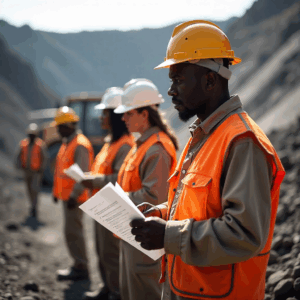
Measuring the Effectiveness of Safety Improvements
Improving safety requires more than implementing new rules. Operations must track whether changes actually reduce risk. This involves reviewing injury trends, near-miss reports, and inspection findings. Leading indicators, such as hazard reports and corrective action completion rates, provide early insight into safety performance. Lagging indicators, like injury rates, confirm whether improvements are working. Continuous measurement allows operations to adjust strategies and strengthen weak areas.
Building a Proactive Safety System to Reduce Accidents
A proactive safety system focuses on prevention rather than reaction. This approach emphasizes hazard identification, employee involvement, and continuous improvement. Workers play a key role by reporting hazards and participating in safety discussions. Leadership supports this by responding promptly and transparently. When safety is proactive, risks are addressed before injuries occur.
Building a Safer Mining Future by Addressing Safety Gaps and Preventable Accidents
Mining accidents are rarely random. Most result from identifiable gaps in planning, training, equipment, or enforcement. By understanding the impact of inadequate safety measures on mining accidents, operations can take meaningful action to reduce risk. Strong safety systems protect workers, improve efficiency, and support long-term success. Addressing safety gaps today builds a safer mining future for everyone underground.