
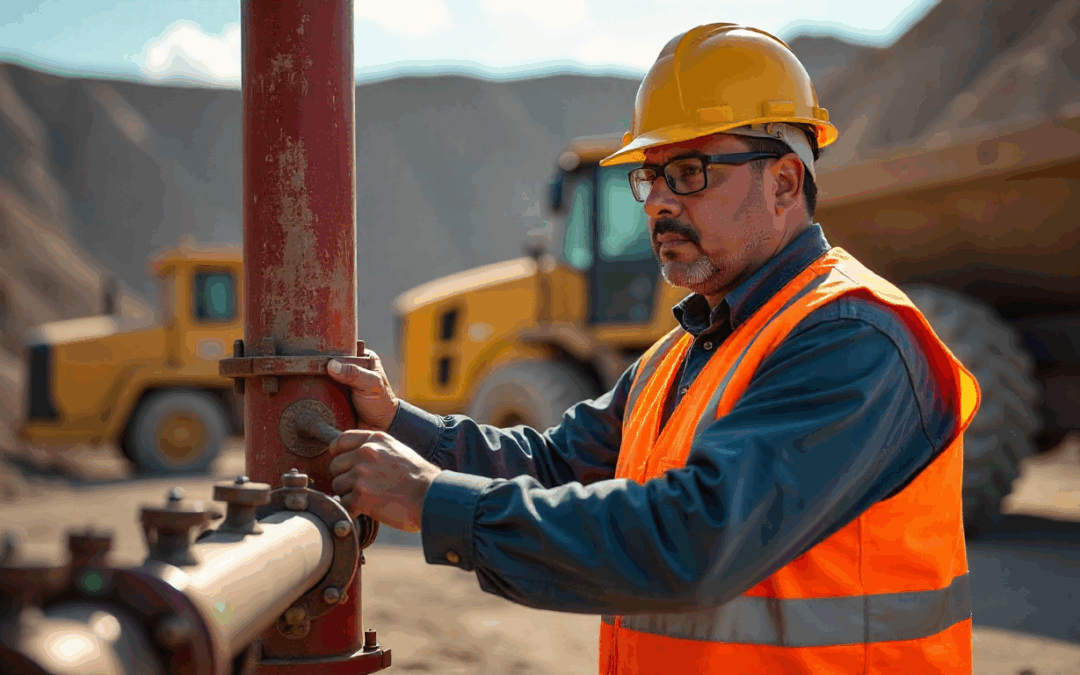
Mining operations use flammable liquids like fuel, solvents, and lubricants to power machines, clean parts, and maintain equipment. Improper handling of these substances can cause fires, explosions, toxic exposure, and serious environmental harm. Due to these risks, MSHA enforces strict rules for handling, storing, and transporting flammable materials. Workers must understand the dangers and follow safety protocols to protect themselves and keep operations safe and efficient.
Why Flammable Liquids Pose a Risk in Mining Operations
Mining sites rely on flammable liquids like diesel, solvents, and lubricants to power, clean, and maintain equipment. These substances pose serious dangers, especially in confined, poorly ventilated areas common in underground mines. Sparks, hot surfaces, or faulty electrical systems can ignite flammable liquids rapidly and violently. Their fumes may cause respiratory problems or poisoning if inhaled in high concentrations.
Spills can contaminate the environment and create slippery, dangerous work areas. Mining environments leave little room for error, so MSHA enforces strict safety standards for handling flammable materials.
MSHA Regulations for Flammable Liquid Handling
To reduce fire and health risks, MSHA sets rules in 30 CFR Parts 56 and 57 for flammable liquid management. These regulations address labeling, storage, spill control, and proximity to ignition sources. Operators must label all containers clearly to show contents and related hazards.
Keep flammable materials away from heat, sparks, or open flames at all times. Store small amounts in fire-resistant cabinets to limit exposure and damage. Install spill containment systems to control leaks and prevent environmental harm. Place fire extinguishers nearby so workers can respond quickly to emergencies. By following these rules, mine operators reduce accident risks and avoid expensive citations during MSHA inspections.
Compatibility of Flammable Liquids With Other Mining Materials
Flammable liquids can’t always be stored near other chemicals—some combinations can be dangerously reactive. That’s why part of proper storage involves keeping incompatible substances separated. Certain materials can produce explosive gases or release harmful fumes when mixed, especially in poorly ventilated areas.
Operators should ensure that these chemicals are stored in separate, ventilated zones, and that each area is clearly marked. Having updated Safety Data Sheets (SDS) for all chemicals on site helps ensure that workers can quickly check compatibility and safety instructions when needed.
Proper segregation and labeling is key to preventing chemical reactions that could threaten lives and operations.
Safe Transportation of Flammable Liquids Within Mining Sites
Moving flammable liquids around a mine may seem routine, but it introduces new risks. Transport containers must be approved for hazardous materials and designed to prevent leaks or spills during transit. These containers should be properly sealed and securely fastened during transport to prevent tipping or rupture.
Transit routes must be kept clear of ignition sources, and smoking or open flames should be strictly prohibited in these areas. Operators involved in moving flammable liquids need to be trained on safe loading and unloading procedures to reduce the chances of accidents.
These extra steps go a long way in protecting workers and avoiding incidents during daily operations.
Training Requirements for Handling Flammable Liquids
No matter how solid your systems and equipment are, they’re only as effective as the people using them. Training plays a huge role in keeping mining operations safe when it comes to handling flammable liquids.
Workers need to understand the hazards associated with these materials and be trained in how to store, transfer, and dispose of them safely. They also need to know how to respond in an emergency, whether that means using a fire extinguisher, following evacuation procedures, or calling in a spill response team.
Training should be documented and regularly refreshed, not just to satisfy MSHA, but to build a culture where safety is always front of mind.
Personal Protective Equipment (PPE) When Handling Flammable Liquids
When working with flammable or volatile liquids, having the right personal protective equipment is absolutely necessary. MSHA standards make it clear that proper PPE is a key part of firefighting equipment and procedures. Flame-resistant clothing helps minimize burn injuries if a fire does occur, while chemical-resistant gloves protect workers’ hands during handling and cleanup. Safety goggles and face shields provide necessary protection from splashes and harmful fumes, and in cases involving highly volatile solvents, respirators may be required to prevent inhalation of dangerous vapors.
Ensuring that miners are not only equipped with the right gear but also trained to use it properly plays a crucial role in keeping everyone safe in these high-risk situations.
Fire Safety Essentials: Managing Ventilation, Escape Routes, and Emergency Drills
When dealing with flammable liquids in mining operations, managing ventilation, escape routes, and emergency drills become absolutely essential. Proper ventilation systems are necessary to prevent dangerous vapor buildup that could easily ignite. At the same time, mines must maintain clearly marked and unobstructed escape routes to ensure quick and safe evacuation during emergencies.
Regular fire drills help workers become familiar with evacuation procedures and designated safe zones, reducing panic and confusion if a real fire occurs. In addition, automated fire suppression systems in high-risk areas offer a crucial safety net, often stopping small fires from turning into major disasters.
Together, these elements form the foundation of an effective fire safety and emergency response plan in any mining environment.
Spill Prevention and Emergency Response Protocols
Spills happen—but how quickly and effectively you respond determines whether they escalate into something more serious. Every mine should have spill containment kits strategically located near high-risk areas, and workers should know how to use them.
Response protocols should be part of every worker’s training, including steps to contain the spill, alert supervisors, and initiate cleanup using approved methods. Spills also need to be documented and, in some cases, reported to MSHA, depending on the type and quantity of the material involved.
Strong spill response procedures help protect workers, the environment, and your compliance record.
How to Prepare for an MSHA Inspection Focused on Hazardous Materials
MSHA inspections can happen without much notice, so it pays to be ready. Inspectors will often focus on how hazardous materials—especially flammable liquids—are managed.
To prepare, make sure storage areas are clearly labeled and organized, and that inventory logs are up to date. Safety Data Sheets should be complete and easily accessible, and fire suppression equipment should be tested and documented regularly. Running internal audits or mock inspections can help identify and fix problems before MSHA shows up.
Staying inspection-ready not only avoids fines but also creates a safer, more transparent work environment.
Common Violations and How to Avoid MSHA Citations
Some of the most common MSHA citations related to flammable liquids involve basic oversights. Fuel stored too close to ignition sources, missing or incorrect labeling, inadequate containment systems, and expired or uninspected fire extinguishers are frequent issues.
These violations are usually preventable with routine checks and a solid safety protocol. Establishing a checklist for flammable liquid management and conducting regular internal reviews can go a long way in keeping your operation in the clear.
Incidents Involving Improper Flammable Liquid Handling
Unfortunately, there are numerous cases where poor handling of flammable liquids has led to serious incidents. In some instances, underground explosions were traced back to improper storage or a lack of ventilation. Fires have also broken out due to spills near hot equipment or exposed electrical systems.
These incidents serve as stark reminders of why the rules are in place. They underscore the need for constant vigilance and reinforce the importance of following best practices, not just to pass inspections—but to save lives.
Ensuring Safe and Compliant Flammable Liquid Management in Mines
At the end of the day, managing flammable liquids safely is about more than compliance—it’s about protecting people, equipment, and the environment. Following MSHA’s guidelines, investing in proper training, and maintaining the right safety systems aren’t just best practices; they’re steps in building a safe and sustainable mining operation.
By staying proactive and detail-oriented, mining companies can meet regulatory expectations while creating a workplace where safety always comes first.