
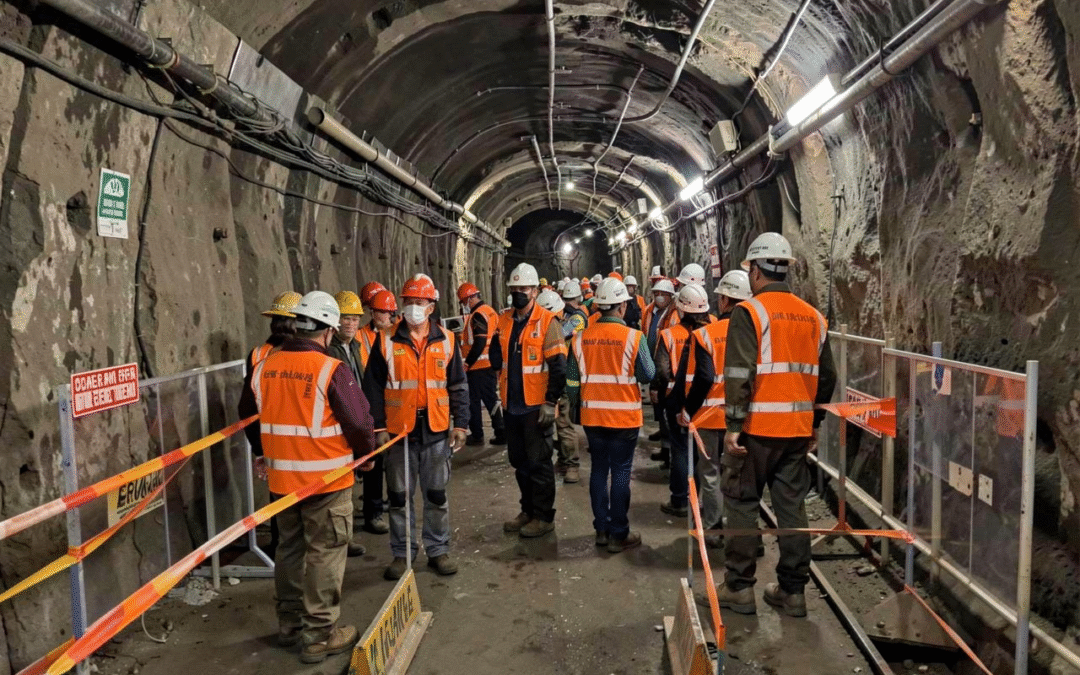
Mining disasters rarely happen without warning. Most incidents follow patterns that repeat across sites, equipment types, and working conditions. By understanding mining disasters by accident type, mine operators, supervisors, and contractors can better recognize risks before they turn into emergencies.
Different accident types require different safety controls. Equipment failures, ground collapses, ventilation breakdowns, and transportation incidents each demand specific prevention strategies. This article breaks down the most common mining accident categories, explains why they occur, and outlines proven safety protocols that reduce the risk of serious injury or loss of life.
Classification of Mining Accidents by Hazard Type
Mining accidents are often grouped by hazard type to help identify trends and root causes. These classifications allow safety professionals to focus on targeted controls rather than general rules. Common categories include mechanical failures, structural instability, electrical hazards, transportation incidents, and environmental conditions. Each type presents unique risks that require tailored training, inspections, and emergency planning. Understanding accident classification is the first step in preventing future disasters.
Equipment-Related Failures and How They Cause Catastrophic Events
Equipment failures remain one of the leading causes of serious mining accidents. Malfunctioning machinery can cause crushing injuries, fires, or explosions when not properly maintained. Many equipment-related incidents stem from skipped inspections or improper repairs. When warning signs such as unusual noises, vibration, or overheating are ignored, the risk of catastrophic failure increases. Preventing these incidents requires routine maintenance, proper lockout procedures, and clear communication between operators and maintenance crews.
Structural Collapses: Root Causes and Risk Factors
Structural collapses are among the most dangerous mining hazards. Roof falls, rib failures, and wall collapses can occur suddenly and leave little time to react. Poor ground control planning, changing geological conditions, and water infiltration all increase collapse risk. In many cases, early warning signs are missed due to rushed inspections or inadequate monitoring. Effective ground support systems, continuous assessment, and strong enforcement of ground control plans are critical to reducing collapse-related fatalities.
Transportation and Haulage Accidents Underground
Transportation accidents often involve mobile equipment, haul trucks, and conveyor systems. These incidents frequently occur in tight spaces with limited visibility. Poor traffic control, inadequate training, and equipment blind spots contribute to collisions and runovers. Fatigue also plays a role, especially during long shifts or night operations. Clear travel rules, equipment maintenance, and traffic awareness training significantly reduce transportation-related accidents underground.
Electrical and Mechanical Hazards in Active Mines
Electrical and mechanical hazards present constant risks in active mining environments. Exposed wiring, faulty grounding, and improper equipment use can lead to shock, burns, or fires. Mechanical hazards such as moving parts and pressurized systems also cause serious injuries when safeguards are removed or bypassed. These risks often increase during maintenance tasks. Strict adherence to lockout/tagout procedures and task-specific training are essential for controlling electrical and mechanical hazards.
Ventilation Failures and Their Role in Mining Emergencies
Ventilation systems are essential for maintaining safe air quality underground. When these systems break down, hazardous gases and dust can accumulate rapidly, creating conditions that rely heavily on strong emergency rescue protocols. Poor airflow significantly increases the risk of explosions, fires, and asphyxiation. Many fatal mining emergencies involving ventilation failures point to gaps in oversight and emergency response, highlighting how stronger MSHA-enforced rescue protocols could have helped prevent tragedies. Consistent ventilation inspections, airflow testing, and well-coordinated emergency response planning are critical to reducing these risks and improving rescue readiness.

Environmental Conditions That Increase Accident Likelihood
Environmental conditions often amplify existing hazards. Heat, humidity, water intrusion, and poor lighting all affect worker performance and equipment reliability. Changing weather conditions can also impact ground stability and ventilation effectiveness. When environmental factors are ignored, accident likelihood increases. Monitoring environmental conditions and adjusting work practices accordingly plays a key role in accident prevention.
Prevention Strategies Based on Accident Categories
Effective prevention begins with aligning safety controls to specific hazards. A one-size-fits-all approach overlooks the complexity of mining operations and contributes to the impact of inadequate safety measures on mining accidents. By examining past incidents, operations can develop prevention strategies based on mining accident categories that directly target the most common risks. These strategies often include focused training, stronger inspections, and hazard-specific emergency drills aimed at correcting safety deficiencies. When prevention efforts are targeted, both the frequency and severity of accidents are significantly reduced.
Safety Protocols Matched to Specific Mining Hazards
Safety protocols are most effective when they are clearly connected to real risks. Workers are more likely to follow procedures when they understand why they exist. For example, ground control protocols differ significantly from electrical safety procedures. Matching protocols to hazards ensures that controls address actual conditions underground. Clear documentation, consistent enforcement, and ongoing training strengthen protocol effectiveness.
Using Accident Data to Predict and Prevent Future Disasters
Accident data provides valuable insight into trends and recurring issues. Near-miss reports, injury records, and inspection findings help identify weak points. When analyzed properly, data allows operations to predict where future incidents may occur. This proactive approach shifts safety efforts from reaction to prevention. Using data effectively supports smarter decision-making and safer operations.
Reducing Mining Disasters Through Targeted Prevention and Emergency Preparedness
Reducing mining disasters requires understanding how accidents happen and why controls fail. By focusing on mining disasters by accident type, operations can address risks before they escalate.
Targeted prevention, strong safety protocols, and continuous improvement create safer environments for everyone underground. Preparedness saves lives—and strengthens the future of mining.