
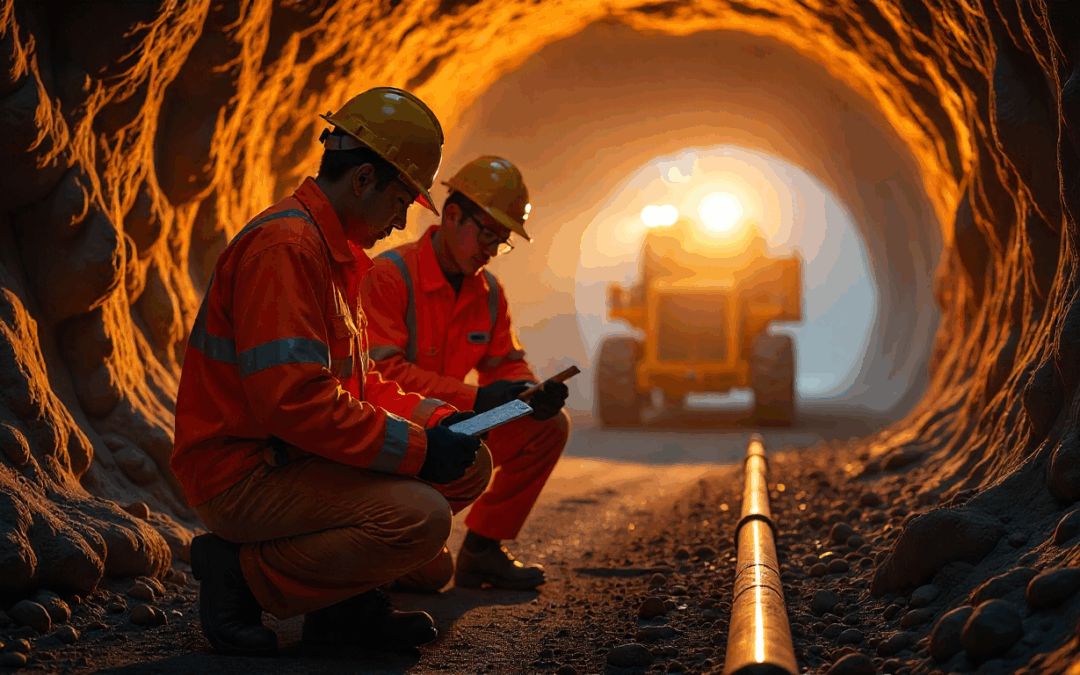
Mining is one of the most demanding and high-risk industries in the world. With every shift, miners face potential hazards—from equipment malfunctions to dangerous gases. Protecting workers’ health and safety goes beyond regulatory compliance—it’s about empowering individuals to understand and assert their rights. Under the Mine Safety and Health Administration (MSHA), every miner is guaranteed a safe, healthy, and fair work environment. This article explores those rights, why they matter, and how miners can use them to foster safer workplaces across the country.
Why Mining Safety Regulations Matter: Lessons from Tragedies
Mining safety regulations are built on hard-earned lessons from past disasters. Incidents like the Upper Big Branch Mine explosion in 2010 and the Sago Mine tragedy in 2006 underscored the deadly consequences of inadequate oversight and poor safety practices. These catastrophic events led to stronger regulations and greater enforcement by MSHA.
These real-life tragedies highlight why mining safety regulations matter—each rule reflects a lesson learned through loss, and a commitment to preventing it from happening again. They serve as sobering reminders that safety protocols are not optional: they are essential. When miners and employers understand and apply these regulations, they help prevent future accidents, creating safer environments for all.
What Rights Do Miners Have Under MSHA?
Under MSHA, miners are granted a number of important rights designed to protect both their safety and their ability to speak up. These include the right to work in a safe and healthy environment, to report unsafe conditions without fear of retaliation, and to receive proper training approved by MSHA.
Miners are also entitled to participate in MSHA inspections and must be informed of any workplace hazards and related safety procedures. When miners are aware of their rights, they can take a proactive role in protecting themselves and their coworkers—while holding employers accountable for maintaining legal standards.
Who Is Responsible for Ensuring a Safe and Healthy Mine Workplace?
Maintaining a safe mining environment is a shared responsibility. Employers have a legal obligation to comply with MSHA standards by implementing safety programs, conducting regular hazard assessments, and providing personal protective equipment and training.
At the same time, miners contribute by following safety protocols, reporting unsafe conditions, and actively participating in safety discussions. True workplace safety depends on collaboration between all parties—supervisors, employers, and the miners themselves.
The Right to a Safe and Healthy Work Environment
Every miner has the right to work in an environment that is free from known hazards. Under MSHA guidelines, mine operators are required to maintain proper ventilation systems, monitor air quality, and ensure that blasting practices are conducted safely. Equipment must also be regularly inspected and maintained to minimize risk.
If these safety measures are not upheld, miners have the right—and the responsibility—to report those conditions. Critically, they can do so without fear of punishment, thanks to federal protections.
The Role of Miner Representatives in Promoting Workplace Safety
Miner representatives play an important role in promoting transparency and communication between the workforce, supervisors, and MSHA inspectors. These representatives often assist in accident investigations, take part in safety inspections, and keep coworkers informed about current hazards or concerns.
By acting as a liaison, they help ensure that safety issues are addressed promptly and that federal regulations are followed. Strong representation contributes to a more accountable and transparent safety culture within the mine.
How Miners Can Report Unsafe Conditions Without Retaliation
Reporting safety hazards can be intimidating—especially if miners fear retaliation from their employer. That’s why Section 105(c) of the Federal Mine Safety and Health Act explicitly protects workers who speak up. According to this section, no miner can be fired, demoted, or otherwise penalized for raising legitimate health or safety concerns.
If a miner believes their rights have been violated, they can file a complaint directly with MSHA. The agency investigates these claims thoroughly, helping ensure fairness and protection for those who speak out.
Understanding the Right to Refuse Unsafe Work
Miners are not obligated to perform tasks that pose a reasonable risk of injury or illness. When faced with a dangerous situation, workers have the right to refuse unsafe work. MSHA advises miners to immediately notify a supervisor of any hazard, remove themselves from the area if necessary, and file a safety complaint if the issue remains unaddressed.
Exercising this right can prevent injuries—and, in some cases, save lives. It’s one of the most powerful tools miners have for protecting themselves and their coworkers.
Legal Protections for Miners Who Speak Up
Miners who report hazards or participate in safety-related actions are shielded by federal law. Whether they are requesting an MSHA inspection, testifying in a hearing, or involved in an accident investigation, these workers are legally protected from retaliation.
Employers who violate these protections can face significant penalties, including fines and corrective measures imposed by MSHA. This legal framework encourages miners to speak up and ensures they can do so without fear of losing their livelihood.
MSHA’s Role in Enforcing and Protecting Miners’ Rights
MSHA serves as both an enforcer and educator. The agency conducts unannounced inspections, investigates accidents, and issues citations and fines for safety violations. In addition, MSHA provides vital training resources and educational materials for both employers and employees.
By holding mining companies accountable and offering resources for improvement, MSHA helps ensure safer operations and protects the rights of the mining workforce.
How Training Helps Miners Recognize and Act on Their Rights
Knowledge is power, especially in the mining industry. MSHA training programs teach miners how to spot hazards, understand emergency procedures, and assert their legal rights when necessary. These programs also outline how to report safety issues and what steps to take if a violation occurs.
Training often includes visual safety cues as well—such as the importance of the colored hard hat standard in mining safety, which helps workers quickly identify roles, experience levels, and authority on-site. When miners know what those colors mean, they can better understand who to go to for help, who’s still in training, and who may need support in an emergency.
A well-trained miner is not only safer but also more empowered to act decisively when it counts. Training transforms abstract rights into actionable tools that protect lives.
The Importance of Knowing Your Rights Before an Emergency
In a mine emergency, seconds count. Miners who are familiar with their rights and emergency procedures are better prepared to respond effectively. Understanding evacuation routes, communication protocols, and safety responsibilities can make the difference between life and death.
Being proactive—by learning your rights before something goes wrong—is one of the best ways to ensure a quick and coordinated response during crises.

Building a Safety-First Culture Through Worker Empowerment
A culture of safety begins with empowered workers. When miners are encouraged to speak up and participate in safety discussions, they become more than just employees—they become advocates for a safer workplace. This involvement leads to faster hazard identification, better collaboration, and stronger compliance with safety standards.
Empowered miners create safer environments not just for themselves, but for everyone on site.
Empowering Miners—Turning Rights Into Action
Mining is inherently dangerous, but with the right knowledge, support, and commitment, it can be made safer. Empowering miners to understand and assert their rights is key to building safer workplaces. When workers are educated, employers are held accountable, and MSHA standards are enforced, everyone benefits.
Every miner deserves to return home safely after every shift. That starts with turning rights into action—because safety isn’t just a policy, it’s a practice.