
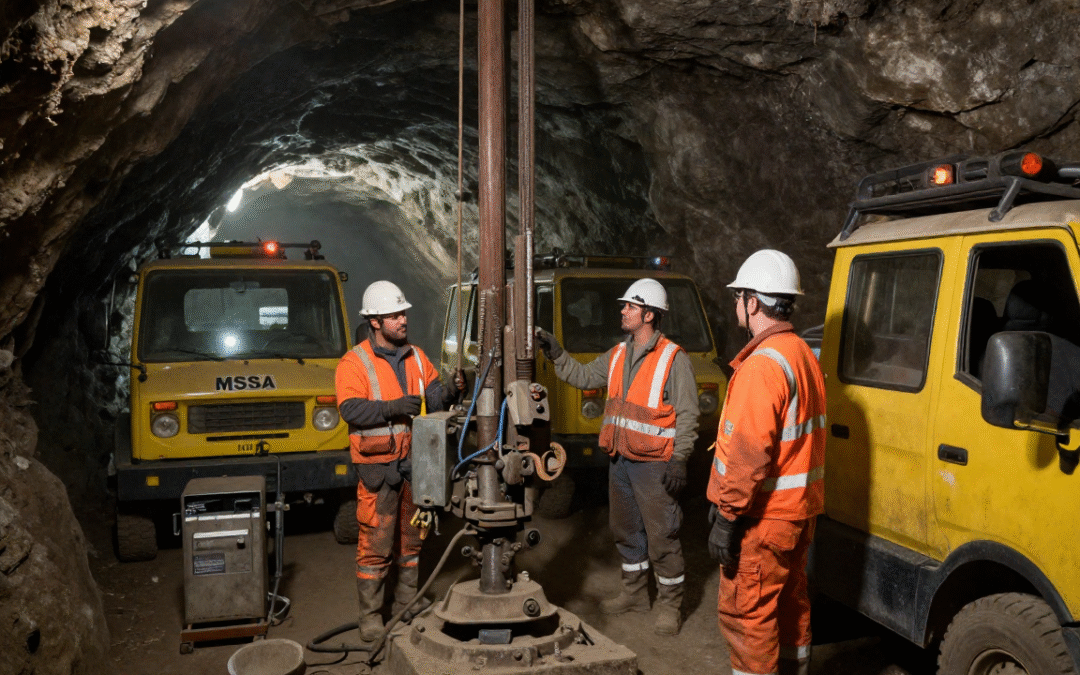
Mining has always been demanding work. Tight deadlines, production targets, and physical challenges create pressure that can push even experienced workers to take risks. In many cases, those risks appear small—skipping a step, rushing an inspection, or choosing speed over procedure. But time and again, history shows that fatal shortcuts and the consequences of ignoring safety protocols are far greater than anyone expects.
What starts as a minor rule violation can quickly escalate into a serious injury or loss of life. This article explores why safety shortcuts happen, how they turn deadly, and what mining operations can do to stop preventable tragedies before they occur.
Why Safety Shortcuts Happen in High-Pressure Mining Environments
Safety shortcuts rarely happen because workers do not care. More often, they occur because people feel pressure to keep operations moving. When equipment is down or production falls behind, workers may feel the need to “make it work” rather than stop and follow procedures.
Over time, repeated shortcuts can become normalized. What was once considered unsafe starts to feel routine. This environment increases the likelihood of fatal shortcuts and the consequences of ignoring safety protocols becoming part of daily operations.
The Role of Production Pressure in Risky Decision-Making
Production pressure plays a powerful role in shaping behavior underground. When success is measured mainly by output, workers may feel their jobs depend on speed rather than safety. Supervisors may unintentionally encourage risk by rewarding production numbers without equally reinforcing safe behavior. This imbalance leads to rushed decisions, skipped steps, and overlooked hazards. When production pressure outweighs safety priorities, the risk of serious accidents increases significantly.
Common Safety Procedures Most Often Ignored Underground
Certain safety procedures are more commonly bypassed than others. Lockout/tagout steps, ground control checks, and ventilation reviews are often seen as time-consuming. Personal protective equipment may be worn incorrectly or not at all. Warning signs may be ignored when workers believe they “know the area.” These behaviors may seem harmless at first, but they contribute directly to fatal shortcuts seen in many accident investigations.
How Skipping Pre-Shift Inspections Leads to Fatal Outcomes
Pre-shift inspections exist to identify hazards before work begins. When inspections are rushed or skipped entirely, dangerous conditions remain undetected. Loose ground, faulty equipment, or poor ventilation can quickly turn a routine task into a fatal incident. Many serious accidents share a common factor: hazards that would have been identified during a proper inspection. Skipping inspections does not save time—it shifts risk onto workers.
Human Error vs. System Failure: Where Responsibility Lies
After an accident, blame is often placed on individuals. While human error plays a role, system failures are frequently the underlying cause. Inadequate training, unclear procedures, and weak enforcement create environments where mistakes are more likely. When systems allow shortcuts to continue unchecked, responsibility extends beyond individual workers. Understanding this balance helps organizations focus on prevention instead of blame.
How Safety Culture Breakdowns Increase Accident Frequency
Safety culture reflects how safety is valued in daily operations. When leadership sends mixed messages, workers follow behavior rather than policy. If unsafe actions go uncorrected, they become accepted. Over time, this erosion leads to higher accident rates and more severe outcomes. A strong safety culture reduces the likelihood of fatal shortcuts and the consequences of ignoring safety protocols by making safety the default choice.
Early Warning Signs That Protocols Are Being Compromised
There are clear warning signs when safety protocols are slipping. Increased near-miss incidents, incomplete paperwork, and rushed training sessions all indicate deeper issues. Workers may stop reporting hazards because they believe nothing will change. Supervisors may overlook violations to maintain production. Recognizing these signs early allows corrective action before a serious incident occurs.
Case Patterns Showing How Minor Violations Escalate Into Disasters
Many mining disasters follow similar patterns. A small violation is ignored. That violation repeats. Eventually, multiple risks align at the wrong moment. This pattern highlights how minor safety violations escalate into catastrophic mining disasters. What begins as a shortcut ends as a tragedy that could have been prevented. Learning from these patterns is essential to breaking the cycle.
The Long-Term Legal and Financial Consequences of Safety Neglect
Ignoring safety protocols carries lasting consequences beyond injuries. Regulatory penalties, lawsuits, and shutdowns can financially cripple operations. Companies may face increased insurance costs, damaged reputations, and difficulty retaining skilled workers. Families affected by accidents suffer emotional and financial losses that last a lifetime. The cost of prevention is always lower than the cost of neglect.
How Enforcing Standard Procedures Prevents Repeat Incidents
Consistent enforcement is one of the most effective ways to prevent repeat incidents. Clear expectations, routine audits, and immediate correction reinforce safe behavior and strengthen emergency rescue protocols that can mean the difference between life and death. When workers know procedures matter every day, not just during inspections, compliance improves naturally. This approach shows how enforcing standard safety procedures and emergency rescue protocols, including lessons from past MSHA oversight failures, could have prevented tragedies and continues to reduce repeat mining incidents across operations. Consistency builds trust, accountability, and preparedness.
Preventing Future Mining Disasters Through Accountability and Safety Enforcement
Preventing future disasters requires commitment at every level. Leadership must prioritize safety over short-term gains. Supervisors must model correct behavior. Workers must feel empowered to speak up. Accountability creates safer environments where shortcuts are no longer tolerated. Strong enforcement protects lives, strengthens operations, and ensures long-term success. Addressing fatal shortcuts and the consequences of ignoring safety protocols is not just about compliance—it is about protecting people.