
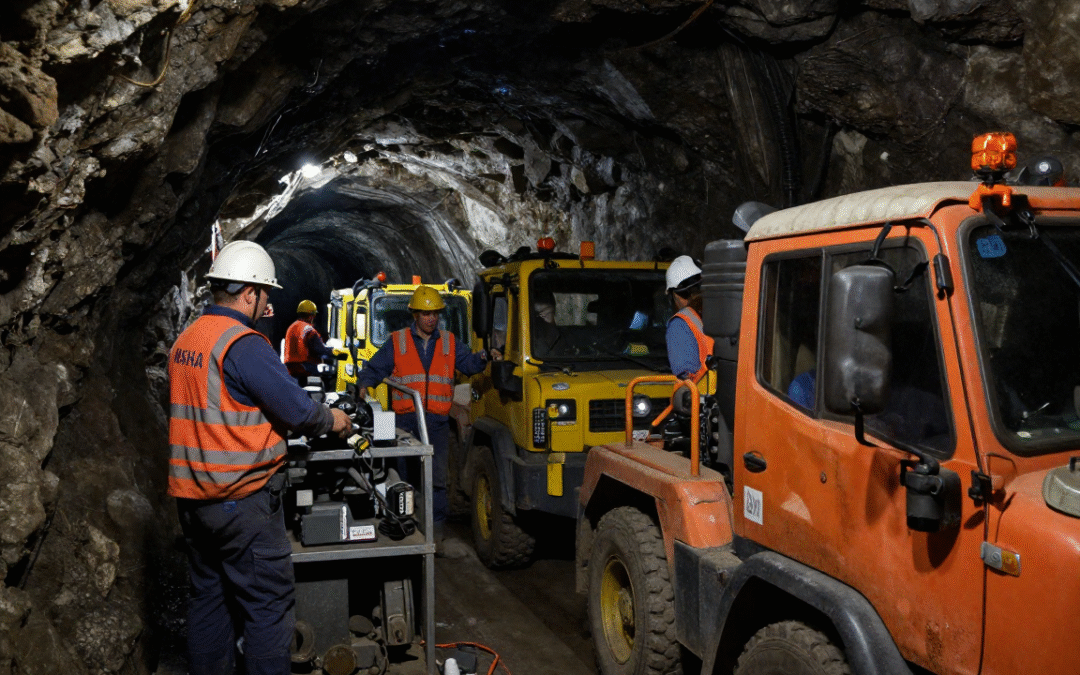
Electricity powers nearly every aspect of modern mining—from ventilation systems and conveyor belts to lighting and communications. But it is also one of the most dangerous hazards underground. Faulty wiring, damaged equipment, poor grounding, or untrained workers can turn routine tasks into serious, sometimes fatal, accidents. Electrical safety standards in mining Operations exist to reduce these risks. When properly implemented, they help prevent electrocution, fires, explosions, and unexpected shutdowns. When ignored, the consequences can be severe—not only for workers, but also for production, regulatory compliance, and a company’s long-term stability.
This article explains how electrical hazards arise in mining, what federal and state regulations require, and how strong electrical safety programs protect both people and operations. Whether you manage a mine, supervise workers, or want a better understanding of mining safety, this guide breaks down complex standards in a clear and practical way.
Overview of Electrical Hazards in Mining Environments
Mining environments present unique electrical risks that other industries rarely face. Mines are often wet, dusty, confined, and constantly changing. These conditions increase the likelihood of damaged insulation, short circuits, and accidental contact with live components.
Common hazards include exposed wiring, overloaded circuits, damaged cables, and poorly maintained equipment. Underground, limited visibility and tight spaces make it easy for workers to unknowingly contact energized parts. Surface operations face risks too, particularly where high-voltage lines intersect with mobile machinery.
Without strong electrical safety standards in mining operations, these hazards can go unnoticed until an incident occurs. Electrical accidents tend to happen quickly, leaving little time to react. That’s why prevention and proper controls are so critical.
Federal and State Electrical Safety Regulations for Mines
Electrical safety in mining is governed by both federal and state regulations. At the federal level, the Mine Safety and Health Administration (MSHA) sets minimum standards that all mines must follow. States may enforce additional rules, as long as they meet or exceed federal requirements. These regulations cover the installation, inspection, maintenance, and repair of electrical systems. They also define who is qualified to perform electrical work and how hazards must be reported and corrected. Compliance isn’t optional—violations can result in citations, fines, or even mine closures.
Understanding these rules is a foundational part of electrical safety standards in mining operations, particularly for operators responsible for maintaining safe workplaces and passing inspections.
MSHA Electrical Standards and Compliance Requirements
MSHA’s electrical standards aim to prevent accidental contact with electricity and reduce the risk of fires or explosions. These rules apply to both underground and surface mines, covering everything from circuit protection to lockout procedures.
Electrical equipment must be properly guarded, grounded, and maintained. Only qualified electrical personnel may work on electrical systems, and energized work is tightly controlled. Regular inspections are required, and any defects must be corrected promptly. Compliance isn’t just about avoiding citations—following MSHA standards strengthens electrical safety Standards in mining operations by creating consistent expectations for safe behavior and equipment reliability.
Electrical Equipment Installation Standards Underground
Installing electrical equipment underground requires careful planning and strict adherence to safety standards. Equipment must be positioned to avoid damage from machinery, falling materials, or water intrusion. Cables should be routed and supported to prevent abrasion or tension. Improper installation is a leading cause of electrical failures. Loose connections, unsupported cables, and poorly sealed enclosures can all lead to short circuits or energize nearby metal surfaces. Even small errors can create serious hazards over time. Strong electrical safety standards in mining operations ensure that underground installations withstand harsh conditions and reduce the likelihood of sudden failures.
Grounding and Bonding Practices for Mine Electrical Systems
Grounding and bonding are critical for electrical safety. Grounding provides a safe path for current during a fault, while bonding keeps metal components at the same electrical potential. In mining, improper grounding is a common factor in electrical accidents. Ungrounded equipment can energize metal surfaces without warning, putting workers at serious risk. Consistent grounding and bonding practices reinforce safety standards in mining by minimizing shock hazards and ensuring protective devices work as intended.
Managing High-Voltage Systems in Active Mines
High-voltage systems are necessary for powering large equipment and distributing electricity across long distances. But they also pose a serious risk of injury or death if not managed correctly. Clear labeling, physical barriers, and restricted access are essential in high-voltage areas. Workers must receive specialized training before working near these systems, and qualified electrical personnel play a critical role in mine safety by ensuring proper procedures are followed. Lockout and tagout protocols must be strictly enforced during maintenance or repairs. Effective management of high-voltage systems strengthens electrical safety standards in mining operations by reducing exposure to the most dangerous electrical energy levels.
Inspection and Maintenance Requirements for Electrical Systems
Routine inspections and maintenance are key to preventing electrical incidents. Heat, vibration, moisture, and dust degrade components over time. Without regular checks, minor defects can quickly become major hazards. Inspections should identify damaged insulation, loose connections, overheating components, and corrosion. Maintenance should be documented and performed only by qualified personnel. Strong inspection and maintenance programs support safety standards by catching problems before they cause injuries or downtime.
Common Electrical Violations Identified During Mine Inspections
MSHA inspections frequently uncover electrical violations that could have been prevented with proper oversight. Common issues include exposed live parts, improper grounding, damaged cables, and unapproved equipment. These violations often signal deeper problems, like inadequate training or missing routine inspections. Repeated issues may indicate that electrical safety isn’t being prioritized. Addressing these problems proactively reinforces electrical safety standards in mining operations and reduces the risk of accidents or enforcement actions.

How Electrical Safety Standards Reduce Incident Rates
When electrical safety standards are properly followed, incidents drop significantly. Workers face fewer shocks, burns, and equipment-related injuries. Equipment operates more reliably, reducing downtime and costly repairs. Safety standards also create consistency. Workers understand what to expect, how to recognize hazards, and how to respond safely. Over time, this builds trust and confidence throughout the workforce. Effective electrical safety standards in mining operations protect lives while supporting productivity and operational stability.
Updating Electrical Safety Programs to Meet Modern Risks
Mining technology continues to evolve, introducing new electrical systems and hazards. Automation, remote monitoring, and advanced equipment require safety programs that address these modern risks. Outdated programs may overlook new voltage levels, control systems, or work processes. Regular updates, combined with training for electrical work and safe practices in mines, ensure workers know how to operate safely around modern equipment. Keeping programs current strengthens electrical safety standards in mining operations and aligns them with the latest technology and industry best practices.
Enhancing Mine Safety Through Electrical Standards and Trained Personnel
Electrical hazards will always exist in mining, but serious accidents are not inevitable. Strong standards, proper training, and consistent enforcement drastically reduce risk. Electrical safety standards in mining operations provide a framework for protecting workers, maintaining compliance, and supporting reliable production. By investing in electrical safety, operators invest in the long-term success of their mines and the well-being of everyone on site.