
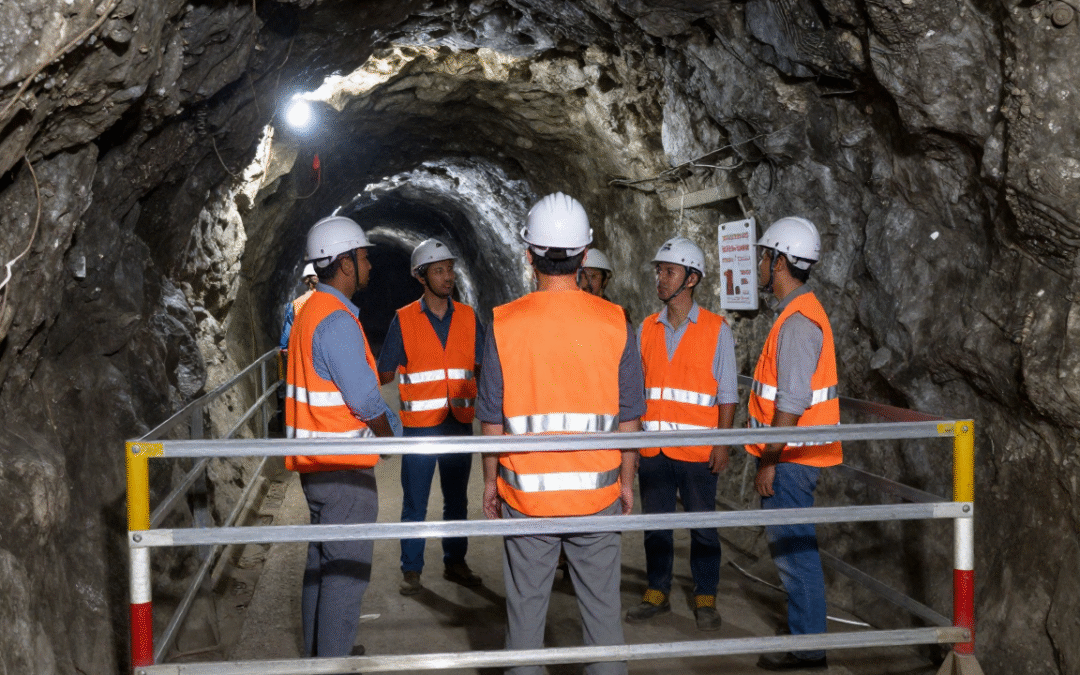
Mining is a high-risk industry where electricity powers nearly every operation, from heavy machinery to ventilation systems. While electricity enables productivity, it also poses one of the most significant hazards underground and at surface operations. Improperly managed electrical systems can lead to severe injuries, fatalities, or costly operational disruptions.
This is why qualified electrical personnel and their role in mine safety is critical. Trained and certified electricians ensure electrical systems operate safely, comply with regulations, and protect both workers and equipment. In this guide, we explore what it means to be a qualified electrical worker in mining, the responsibilities and regulations surrounding the role, and how proper training and supervision reduce accident risk.
What Defines a Qualified Electrical Worker in Mining
A qualified electrical worker in mining is someone who has the technical knowledge, training, and experience necessary to safely perform electrical work in a mine environment. This goes beyond general electrical competence; it includes understanding the unique hazards associated with mining, such as wet conditions, confined spaces, high-voltage systems, and combustible materials.
MSHA defines qualified personnel as those who can recognize electrical hazards, apply proper control measures, and safely work on energized or de-energized equipment according to federal safety standards. These individuals are trained to implement grounding, bonding, and lockout/tagout procedures correctly and consistently. Qualified workers are not just skilled in fixing wires or installing equipment—they are experts in electrical safety standards, capable of anticipating and mitigating potential hazards before accidents occur.
Certification and Experience Requirements for Mine Electricians
To ensure competency, mine electricians must meet specific certification and experience requirements. This typically includes formal electrical training, completion of MSHA-approved courses, and hands-on experience in mining environments. Certain positions may also require state or national licensure, especially when working on high-voltage systems or specialized equipment. Experience in mining is critical. Unlike general electrical work, mines present unique challenges, including corrosive environments, dust-laden atmospheres, and complex underground layouts. Workers must understand how these conditions affect equipment performance, safety procedures, and risk assessment.
Meeting certification and experience requirements, along with training for electrical work and safe practices in mines, ensures that qualified electrical personnel and their role in mine safety is not just theoretical. Workers are prepared to handle real-world situations safely and effectively.
Evaluating Competency Through Ongoing Assessments
Competency in electrical work is not a one-time achievement. Mines are dynamic, and technology evolves, making ongoing assessment essential. Mines should implement regular evaluations to ensure workers remain proficient in safety practices, equipment operation, and emergency procedures. These assessments may include hands-on tests, scenario-based drills, and knowledge quizzes. They help supervisors identify gaps in skills, reinforce proper practices, and maintain compliance with MSHA standards.
Consistent evaluations strengthen qualified electrical personnel and their role in mine safety by confirming that workers can safely execute tasks and respond effectively to unexpected hazards.
Responsibilities of Qualified Personnel Under MSHA Rules
Qualified electrical personnel have clearly defined responsibilities under MSHA rules. They must identify and correct hazards, ensure equipment is maintained and installed according to standards, and supervise work performed by less experienced staff. A critical part of their duties involves enforcing lockout/tagout procedures for electrical systems to protect workers during maintenance or repairs.
Their responsibilities go beyond technical tasks. Qualified personnel help shape mine safety culture by mentoring employees, reporting unsafe conditions, and ensuring regulatory compliance. Their actions directly affect the safety of everyone on site, highlighting why their presence is essential in maintaining a safe mining environment.
Supervision and Oversight in Electrical Maintenance Tasks
Electrical work in mines requires careful supervision. Qualified personnel oversee maintenance, installation, and repair tasks to ensure they meet safety standards. Supervision includes verifying that workers follow procedures, wear appropriate protective equipment, and adhere to lockout/tagout protocols.
Strong oversight prevents errors that could lead to electrical shocks, arc flashes, or fires. By maintaining rigorous supervision, qualified personnel uphold qualified electrical personnel and their role in mine safety, ensuring that every task is completed safely and correctly.
Decision-Making Authority During Electrical Emergencies
Qualified electrical personnel must make rapid, informed decisions during electrical emergencies. This includes assessing live circuits, deciding when to de-energize equipment, and coordinating emergency responses. Their training allows them to prioritize safety, prevent injury, and minimize operational disruption.
In high-stress situations, these decisions can be the difference between a contained incident and a catastrophic accident. Empowering qualified personnel with decision-making authority reinforces the mine’s overall safety posture and compliance with federal regulations.
Documentation and Accountability of Electrical Work
Accurate documentation of electrical work is another essential duty. Qualified personnel must record inspections, maintenance, repairs, and compliance checks. Proper documentation ensures accountability, supports MSHA audits, and provides a reference for continuous improvement.
Documented work also allows mine management to track recurring issues, implement preventive measures, and validate the effectiveness of safety programs. This accountability is a cornerstone of qualified electrical personnel and their role in mine safety.
Why Unqualified Electrical Work Increases Accident Risk
Assigning electrical tasks to unqualified personnel dramatically increases accident risk. Mistakes in wiring, grounding, or equipment operation can result in electrocutions, fires, or explosions. Even minor errors in a mine’s electrical system can escalate into life-threatening situations. Qualified personnel prevent these outcomes by applying their expertise, understanding regulatory requirements, and executing tasks with precision. Ensuring that only trained workers handle electrical systems is essential for maintaining a safe mining environment.
Coordination Between Electrical Staff and Mine Management
Effective mine safety requires coordination between qualified electrical staff and mine management. This collaboration ensures that maintenance schedules, emergency plans, and safety programs are aligned with operational needs and regulatory requirements.
Regular communication allows for proactive hazard identification, timely repair of defective equipment, and rapid response to incidents. Strong coordination also reinforces qualified electrical personnel and their role in mine safety, creating a culture where safety is integrated into every decision.
How Qualified Personnel Prevent Electrical-Related Incidents
Qualified personnel prevent incidents by combining technical expertise, strict adherence to safety standards, and proactive hazard mitigation. They inspect equipment, maintain proper grounding and bonding, enforce lockout/tagout procedures, and train other workers on safe practices.
By preventing failures before they occur, qualified electrical staff reduce downtime, prevent injuries, and maintain compliance. Their presence is a critical line of defense in protecting both human life and mining operations.
Ensuring Mine Safety Through Qualified Personnel, Training, and Lockout/Tagout Compliance
Comprehensive mine safety relies on three pillars: qualified personnel, effective training, and strict lockout/tagout compliance. Together, these elements create a robust safety framework:
- Qualified personnel apply expertise to identify and mitigate hazards.
- Training ensures all staff understand electrical risks and procedures.
- Lockout/tagout compliance prevents accidental energization during maintenance.
When implemented consistently, these measures reinforce qualified electrical personnel and their role in mine safety, reducing accidents, injuries, and operational disruptions while promoting a safety-first culture.