
The field of mine safety is evolving faster than ever. With new regulations, emerging technologies, shifting expectations, and fewer seasoned experts entering the field, it’s becoming harder for today’s workforce to stay ahead. For many mine operators, safety teams, and contractors, the biggest challenge isn’t commitment. It’s simply keeping up.
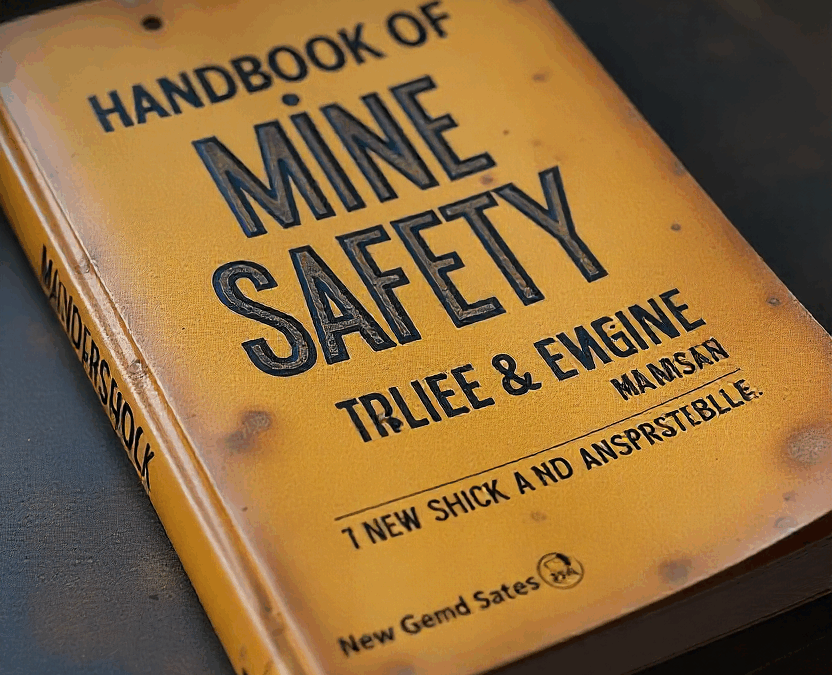
Enter the Handbook of Mine Safety: Compliance, Strategies, and Examples. Written by respected industry leaders W. David Yates, Daniel J. Schmutz, and Kim B. Redding, this 690-page reference pulls together decades of field experience, regulatory knowledge, and practical strategies into one comprehensive, easy-to-use resource.
If your work touches mining safety in any way, this is a book worth having within arm’s reach.
Why This Handbook Matters Now
The mining industry is working through one of the most demanding safety environments it has seen in years. MSHA standards continue to evolve, compliance is under more scrutiny than ever, and major rulings like the silica standard have changed expectations across the industry. At the same time, mobile equipment safety requirements are expanding while many operations struggle to replace a retiring generation of safety professionals.
For teams trying to balance day-to-day operations with regulations that seem to shift constantly, it can feel overwhelming. This handbook helps bridge that gap. And because it’s written by people who have worked as inspectors, trainers, consultants, and certified safety professionals, the guidance is grounded in real-world experience rather than theory.
What’s Inside: A Complete Look at Modern Mine Safety
With 690 pages and 286 illustrations, the Handbook of Mine Safety offers a full-circle exploration of the topics every mining professional needs to understand thoroughly and confidently.
The 31 chapters cover MSHA regulations and citations, legal responsibilities for operators and contractors, important coal, metal/non-metal and underground standards, risk assessment and management, and the development of training programs.
You’ll also find detailed sections on ground control, air quality, fire prevention, explosives, equipment safety, occupational noise exposure (Part 62), recordkeeping, the Part 60 silica standard, and current expectations for surface mobile equipment programs.
Additionally, readers will find:
- Real-world case examples
- Corrective actions and recommended strategies
- Illustrations that make standards easier to interpret
- Guidance on implementing safety programs
- Clarification of common MSHA misconceptions
- Step-by-step breakdowns of complex topics.
This is the kind of book you return to again and again. Whether you’re writing a safety plan, preparing for an inspection, training new employees, or reviewing a near-miss, there is always a section that provides the clarity you need.
Three Authors, One Deep Well of Expertise
- David Yates is a Certified Safety Professional with extensive experience in hazardous materials, military service, university instruction, and industrial safety. His chapters balance academic detail with practical insight.
Daniel J. (DJ) Schmutz, President of MSHA Safety Services Inc., supports more than 350 mining companies nationwide. His expertise in exposure hazards, training, and industrial hygiene adds a modern and highly practical viewpoint.
Kim B. Redding is a former miner and former MSHA inspector who has spent his career helping operators understand safety requirements in a straightforward and realistic way.
Together, they have created a resource that is authoritative, practical, and firmly grounded in real experience.
Who This Book Was Designed For
The handbook is designed for anyone involved in mining safety. This includes mine safety officers, supervisors, managers, contractors, engineers, industrial hygienists, and occupational health and safety teams. New professionals will appreciate the foundational knowledge that helps them start their careers with confidence, while experienced workers will find updated guidance on changing regulations and best practices.
If responsibility for compliance, training, or daily safety ever lands on your desk, this book belongs in your toolkit!
Not Just Theory: Real, Practical Guidance
One of the most valuable aspects of the handbook is its focus on real-world application. Throughout the chapters, readers will find case examples, corrective actions, clear illustrations, and step-by-step guidance on complex topics. The authors also address common MSHA misconceptions and offer realistic strategies for maintaining compliance.
If you have ever thought, “I understand the regulation, but what am I supposed to do with it?”—this book provides the answers.

Why We’re Sharing This Resource
At MSHA Safety Services, we’re excited that our president, DJ Schmutz, contributed to this project. We are equally proud of our long-term collaboration with Kim Redding, who has partnered with us since our start in 2020. We deeply believe in sharing resources that offer real-world guidance, not just regulatory theory. This handbook is one of the most thorough and practical safety references available today and reflects the same philosophy we bring to all of our training and consulting work: clear, realistic, and genuinely useful.
Where to Get the Handbook
The Handbook of Mine Safety: Compliance, Strategies, and Examples is available in both hardback and ebook editions.
You can order it HERE.
A Must-Have Resource for Today’s Mining Industry
Mining safety isn’t getting any simpler. With the right guidance, however, operations can stay compliant, protect their people, and work with confidence. This handbook offers the clarity needed to understand complex regulations, the practical strategies required to address real-world challenges, and the insight of professionals who have dedicated their careers to improving mine safety.
If you want a resource you’ll use frequently rather than one that gathers dust, this is the one to choose.