

Mining is one of the most hazardous industries, where even small lapses can lead to catastrophic accidents. Over the years, the Mine Safety and Health Administration (MSHA) has implemented safety initiatives designed to prevent fatalities, reduce injuries, and protect workers in complex underground and surface operations. Understanding these initiatives is essential for mining operators, foremen, and frontline workers who want to build a culture of safety while remaining compliant with regulations.
This article explores the key safety initiatives spearheaded by MSHA, highlights the causes of major mining accidents, and provides actionable guidance for companies seeking to strengthen their emergency preparedness programs. It also ties back to previous discussions on emergency evacuation drills and underground communication, showing how multiple aspects of safety training work together to prevent serious incidents.
The Leading Causes of Major Mining Accidents Today
Mining accidents often stem from a combination of equipment failures, human error, and environmental hazards. Common causes include roof or wall collapses, powered haulage incidents, falls from ladders or platforms, and exposure to hazardous gases. MSHA’s research indicates that lack of proper training, inadequate maintenance, and poor emergency preparedness amplify these risks. Identifying and addressing these root causes is the first step toward preventing catastrophic incidents underground.
Accidents That Shaped Today’s MSHA Regulations
History has taught the mining industry critical lessons. High-profile accidents, such as underground explosions, roof falls, and machinery entrapments, have led to stricter regulations and enhanced safety standards. MSHA has analyzed these events to update its Part 46 training requirements, ladder and platform safety regulations, and ventilation standards. By learning from past failures, companies can implement preventive measures that minimize repeat incidents and protect their workforce.
An Overview of MSHA’s Most Critical Safety Priorities
MSHA focuses on several core priorities to reduce fatalities and injuries. These include ensuring proper emergency preparedness training, enforcing safe equipment operation, improving ventilation systems, and implementing hazard communication protocols. Initiatives also cover continuous monitoring, regular inspections, and the promotion of a proactive safety culture. Prioritizing these areas allows mining operations to mitigate risks before they escalate into catastrophic events.
Recent Policy Changes Aimed at Reducing Mine Fatalities
To respond to evolving challenges, MSHA has enacted policy updates targeting high-risk activities. Recent changes include stricter standards for powered haulage, updated fall protection requirements, and enhanced reporting protocols for near-miss incidents. Additionally, policies now emphasize the integration of new technologies to monitor mine conditions in real-time, helping operators make informed decisions that prevent accidents before they occur.
How Federal Safety Initiatives Reduce High-Risk Mining Behaviors
Federal safety programs are designed to influence behavior, not just enforce compliance. MSHA promotes training, hazard awareness campaigns, and incentive programs to encourage safe practices. By educating workers and supervisors on common risks—such as improper ladder use, unguarded machinery, and poor communication—these initiatives reduce high-risk behaviors that often precede serious accidents.
The Role of Inspections in Preventing Catastrophic Incidents
Regular inspections are a cornerstone of MSHA’s safety strategy. Inspectors assess compliance with safety standards, identify hazards, and verify that emergency procedures are in place and effective. Inspections also provide feedback that companies can use to strengthen their safety programs. Properly conducted inspections ensure that preventive measures are consistently applied and that potential accident causes are addressed promptly.
Understanding MSHA’s New Technology-Driven Enforcement Strategies
Advances in technology have transformed how MSHA enforces safety standards. Remote monitoring, data analytics, and automated reporting tools help inspectors identify trends, flag recurring hazards, and predict high-risk conditions. By leveraging technology, mines can maintain safer operations, reduce response times during emergencies, and comply more efficiently with regulations. Integration of these tools complements traditional inspection and training methods, enhancing overall safety performance.
Why Regular Emergency Evacuation Drills Are Critical for Modern Mining Operations
Frequent evacuation drills prepare miners to act quickly and safely during emergencies. As emphasized in discussions about why regular emergency evacuation drills are critical for modern mining operations, these exercises familiarize crews with escape routes, assembly points, and communication protocols. They also allow foremen to identify weaknesses in emergency procedures and ensure that every worker understands their role during a crisis. Regular practice reduces panic, improves coordination, and increases the likelihood of a successful evacuation, aligning with MSHA’s broader safety objectives.
How to Improve Underground Mine Emergency Response Through Better Communication and Coordination
Effective communication is essential for preventing accidents and mitigating damage during emergencies. As highlighted in guidance on how to improve underground mine emergency response through better communication and coordination, underground teams must coordinate closely with surface units, maintain reliable radio contact, and follow clearly defined chains of command. Training in communication protocols ensures that messages are understood under stress, enabling rapid and accurate decision-making. By strengthening coordination, mines can respond more effectively to emergencies, minimizing injuries and operational disruptions.
How MSHA Partners With Operators to Improve Safety Culture
MSHA works collaboratively with mining operators to promote a culture of safety. Partnerships include joint training programs, hazard assessments, and consultation services to help companies implement best practices. By fostering open communication between regulators and operators, MSHA ensures that safety initiatives are practical, relevant, and effectively integrated into daily operations. This cooperative approach reinforces preventive measures and encourages proactive management of risks.
What Mining Companies Can Do to Stay Ahead of MSHA Requirements
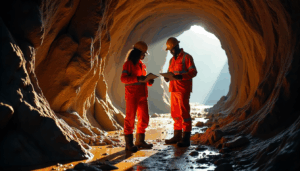
Operators can maintain compliance and enhance safety by adopting proactive strategies. This includes updating training programs, performing regular equipment inspections, conducting frequent evacuation drills, and staying informed about regulatory updates. Implementing robust reporting systems and fostering employee engagement in safety programs also ensures that potential hazards are identified and addressed promptly. By staying ahead, companies reduce risks, protect employees, and avoid costly violations.
The Future of MSHA Safety Initiatives in an Evolving Mining Industry
As mining technology and operations evolve, MSHA continues to adapt its safety initiatives. Future priorities will likely emphasize advanced monitoring systems, data-driven hazard prediction, and more interactive training methods. By embracing these advancements, mining operations can stay compliant while creating a safer environment for miners. Continuous improvement and adaptation remain essential to preventing catastrophic accidents underground.