

Underground mining is an inherently high-risk environment where every decision can have life-or-death consequences. Emergencies—ranging from sudden gas leaks and equipment failures to cave-ins and fires—can escalate quickly if miners and supervisors are not properly prepared. Emergency preparedness training is essential for foremen and frontline workers to recognize hazards, respond efficiently, and lead others to safety.
This article explores the importance of training in emergency preparedness, highlights key skills and techniques for foremen, and offers actionable strategies to improve overall mine safety. It complements previous discussions on mine evacuation drills, showing how hands-on training and leadership preparation work together to prevent accidents underground.
Why Emergency Preparedness Training Must Start With Frontline Leaders
The effectiveness of emergency response begins with those who lead teams on the ground. Foremen and frontline supervisors set the tone for safety culture and are often the first to identify hazards or respond to incidents. Emergency preparedness training equips these leaders with the knowledge and confidence to make quick decisions, communicate effectively, and coordinate evacuation efforts. Investing in leadership training ensures that guidance cascades efficiently from the foreman to every member of the crew, ultimately reducing risks for everyone underground.
Key Safety Skills Every Mine Foreman Must Know to Prevent Accidents
Foremen need a combination of technical expertise, hazard awareness, and interpersonal skills to maintain a safe mining operation. Critical safety skills include risk assessment, incident recognition, hazard communication, and decision-making under pressure. Additionally, understanding emergency procedures, safety equipment functionality, and MSHA regulations ensures that foremen can lead by example. Mastering these skills helps foremen anticipate potential dangers and implement preventive measures before incidents occur.
How to Develop Site-Specific Safety Training Modules
Every mine has unique characteristics—from shaft layout and ventilation systems to equipment types and crew composition—that influence emergency risks. Developing site-specific training modules ensures that foremen and workers receive instruction tailored to their environment. These modules may include mapping evacuation routes, understanding local hazard zones, or practicing specific rescue techniques. Customizing training allows miners to experience realistic scenarios and prepares them to act effectively when emergencies occur in their own workspace.
Hands-On Training Techniques That Improve Emergency Readiness
Practical, hands-on training reinforces theoretical knowledge and helps miners and foremen internalize emergency procedures. As highlighted in discussions about why regular emergency evacuation drills are critical for modern mining operations, simulation exercises, mock evacuations, and live equipment practice build muscle memory and confidence. Scenarios should include high-stress situations, such as blocked escape routes or sudden equipment failures, to help workers respond calmly under pressure. By repeatedly practicing these techniques, teams can minimize panic, reduce errors, and ensure swift, coordinated action when real emergencies happen.
The Value of Cross-Training Miners for Multiple Emergency Roles
Cross-training ensures that more than one miner knows how to perform essential emergency functions, such as operating ventilation controls, providing first aid, or leading evacuation teams. This redundancy strengthens overall preparedness, as personnel can adapt to changing conditions or assist other crews if a team member is unavailable. Cross-training also encourages collaboration, enhances problem-solving capabilities, and fosters a culture where everyone shares responsibility for safety.
Building Confidence Through Regular High-Stress Scenario Practice
Confidence is a key factor in effective emergency response. Regular exposure to simulated high-stress situations helps miners remain composed and decisive when real hazards arise. Scenario-based exercises should challenge workers to make rapid decisions, communicate clearly, and prioritize safety under realistic pressures. These repeated drills reinforce skills, reduce hesitation, and prepare teams to maintain control in unpredictable environments, ultimately improving the likelihood of a successful evacuation.
Required MSHA Training Standards for Foremen and Workers
Compliance with MSHA training standards ensures that foremen and frontline workers meet minimum safety requirements and understand legal obligations. As emphasized in discussions on preventing catastrophic mining accidents through MSHA’s most important safety initiatives, these mandates include instruction on hazard recognition, emergency response procedures, rescue techniques, and first aid. Foremen often receive additional training to manage teams, oversee evacuations, and maintain communication systems. Adhering to these standards not only keeps mines compliant but also enhances the overall effectiveness of emergency preparedness initiatives.
How Peer-to-Peer Learning Improves Emergency Preparedness
Peer-to-peer training leverages experienced miners’ knowledge to mentor and educate colleagues. This collaborative approach reinforces lessons, encourages open discussion, and allows workers to share real-life insights that formal training alone may not cover. Peer learning promotes teamwork, builds trust among crew members, and ensures that emergency procedures are well understood at all levels of the operation. It also provides a feedback loop for trainers to refine safety programs based on firsthand experiences.
Evaluating Skill Gaps With Post-Training Assessments
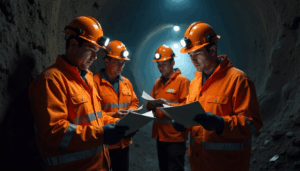
Assessments after training sessions help identify areas where foremen or workers need further instruction. Written tests, practical evaluations, and scenario debriefs measure both knowledge and performance under simulated emergency conditions. Addressing skill gaps promptly ensures that all personnel are competent and confident in their ability to respond. Continuous evaluation and improvement keep safety training relevant and effective, adapting to new hazards or operational changes in the mine.
Creating a Continuous Improvement Process for Safety Training
Safety training should never be static. Mines should implement a continuous improvement process, incorporating feedback, performance metrics, and lessons learned from drills or real incidents. This approach allows programs to evolve with new equipment, regulations, and mining techniques. By regularly updating training protocols, foremen and frontline workers remain well-prepared for emergencies, ensuring that safety practices reflect best standards.
A Safer Future Underground Starts With Better Training and Evacuation Practice
Ultimately, investing in emergency preparedness training for foremen and frontline workers builds a safer mining operation. Strong leadership, hands-on drills, cross-training, and adherence to MSHA standards all contribute to a culture of readiness and resilience. By prioritizing communication, coordination, and practical experience, mines can protect lives, reduce accidents, and maintain operational continuity even during the most challenging emergency situations.