
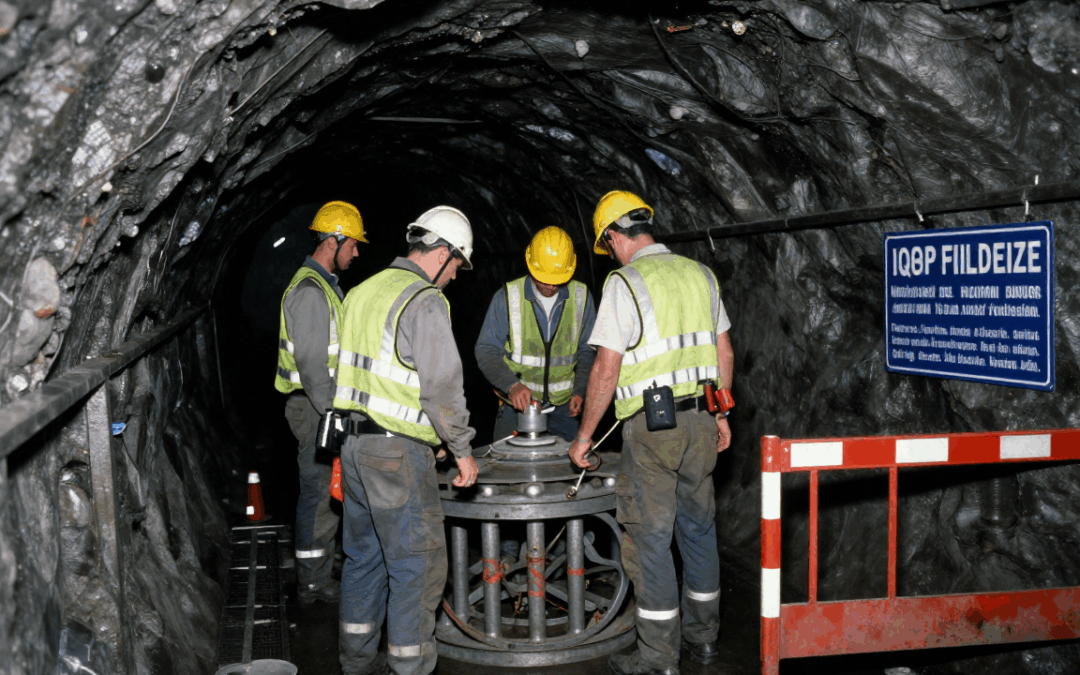
Emergencies in underground mines can escalate quickly, and the difference between a safe evacuation and a tragic outcome often comes down to effective communication and coordination. Mines are complex environments with multiple crews, shifting layouts, and potential hazards at every turn. Ensuring that miners and supervisors can communicate clearly, share real-time information, and respond cohesively is essential to protecting lives and minimizing operational losses.
This article explores the critical role of communication in mine safety, reviews essential systems and protocols, and provides actionable strategies for building a coordinated emergency response plan. It builds on concepts from previous discussions about emergency evacuation drills, highlighting how communication complements training to improve safety outcomes.
Why Communication Breakdowns Are Still a Leading Cause of Mining Emergencies
Despite technological advances and comprehensive safety programs, communication failures remain a major contributor to underground mining accidents. As highlighted in discussions around preventing catastrophic mining accidents through MSHA’s most important safety initiatives, misunderstandings between teams, delayed notifications, or poorly maintained communication equipment can slow response times and increase the risk of injury. In high-stress situations—such as fires, roof collapses, or gas leaks—even small delays can have serious consequences. By understanding the common causes of breakdowns, ranging from outdated radios to unclear protocols, mine operators can take proactive steps to strengthen information flow during emergencies.
Essential Underground Communication Systems Every Mine Needs for Emergency Response
Modern mines require robust communication systems that connect surface teams, underground units, and emergency responders. These include two-way radios, wired or wireless intercoms, leaky feeder systems, and emergency signaling devices. Each system should be reliable in low-visibility or noisy conditions and accessible to all personnel. By ensuring redundancy—having multiple channels and backup systems—mines can maintain contact even if one system fails. A well-planned network guarantees that miners can report hazards, coordinate evacuations, and receive instructions without delay.
How to Build a Unified Mine Emergency Response Plan Across All Departments
An effective response plan requires alignment between every department in a mine operation. Safety managers, supervisors, equipment operators, and support personnel must understand their roles and the procedures for emergencies. Integrating communication protocols into the plan ensures that instructions are clear, responsibilities are defined, and critical decisions are made quickly. Regular reviews and updates keep the plan current as mine layouts, equipment, and personnel change. This unified approach reduces confusion during emergencies and ensures that every team works in concert to safeguard miners.
Improving Coordination Between Surface Teams and Underground Emergency Units
Surface teams and underground crews often operate in parallel, yet emergencies require seamless collaboration between them. Surface personnel monitor ventilation, power systems, and emergency alerts, while underground teams navigate hazards and evacuate miners. Establishing direct communication lines, standardized reporting formats, and scheduled check-ins enhances coordination. By fostering mutual understanding and shared situational awareness, mines can ensure that surface and underground teams respond efficiently and effectively in real-time emergencies.
Why Real-Time Data Sharing Is Critical During Underground Mine Emergencies
Access to real-time data significantly improves emergency outcomes. Information such as miner location, ventilation status, gas readings, and equipment conditions allows decision-makers to prioritize actions and allocate resources where they are needed most. Advanced monitoring systems and digital dashboards help supervisors track evolving situations underground, reducing the chance of oversight or miscommunication. Timely and accurate data ensures that both miners and emergency response teams can make informed decisions under pressure.
How to Integrate New Technologies Into Your Mine’s Emergency Response Protocols
Emerging technologies—ranging from wearable devices to automated sensors—can enhance emergency communication and response. Miners equipped with sensors can transmit location and vital statistics to surface teams, while automated alerts notify personnel of changing conditions. Mobile apps and digital coordination platforms allow teams to share updates instantly. Integrating these tools into existing protocols requires training, testing, and regular updates, but the payoff is significant: faster, safer, and more coordinated responses to underground emergencies.
Best Practices to Prevent Miscommunication Among Underground Mine Crews
Preventing miscommunication is as important as having the right equipment. Clear standard operating procedures, concise messaging, and routine training ensure that miners understand what is expected during emergencies. Supervisors should emphasize repeating back instructions, confirming receipt of messages, and reporting any uncertainties immediately. Encouraging open dialogue and situational awareness among crew members builds a culture where communication is reliable, consistent, and understood under stress.
Training Miners to Communicate Effectively in High-Stress Emergency Situations
Even the best systems fail without trained personnel who know how to use them effectively. As emphasized in discussions on emergency preparedness in mining, miners should practice communicating clearly and calmly using radios, hand signals, and emergency codes. Training should simulate high-stress scenarios to help workers maintain composure and follow protocols. By emphasizing teamwork, role clarity, and assertive communication, operators can ensure that miners act decisively and coordinate with colleagues when every second counts.
How Drills and Emergency Simulations Strengthen Underground Communication
Incorporating communication-focused exercises into drills and simulations reinforces real-world skills. During these exercises, miners practice sending and receiving information under realistic conditions, navigating obstacles, and adjusting to evolving scenarios. This repetition helps embed effective communication habits, increases confidence, and ensures that emergency protocols become second nature. By coupling these drills with regular reviews and feedback, mining operations continually refine communication strategies.
Key Metrics to Measure and Improve Mine Emergency Coordination Performance
Evaluating the effectiveness of emergency communication requires tracking measurable outcomes. Metrics such as response time, accuracy of information relayed, and adherence to protocols provide insight into areas for improvement. Post-drill assessments and incident analyses help identify weaknesses and inform updates to training and procedures. Consistently monitoring these metrics ensures that mines maintain high standards of communication and coordination over time.
Strengthening Mine Emergency Response Through Better Communication
Effective emergency response in underground mining relies on more than technology or equipment—it requires clear communication, strong coordination, and well-trained personnel. By investing in robust communication systems, integrating new technologies, conducting realistic drills, and fostering a culture of safety, mines can minimize risks, enhance response times, and protect the lives of miners. Strengthening communication and coordination is an ongoing effort that pays dividends every time an emergency arises.