
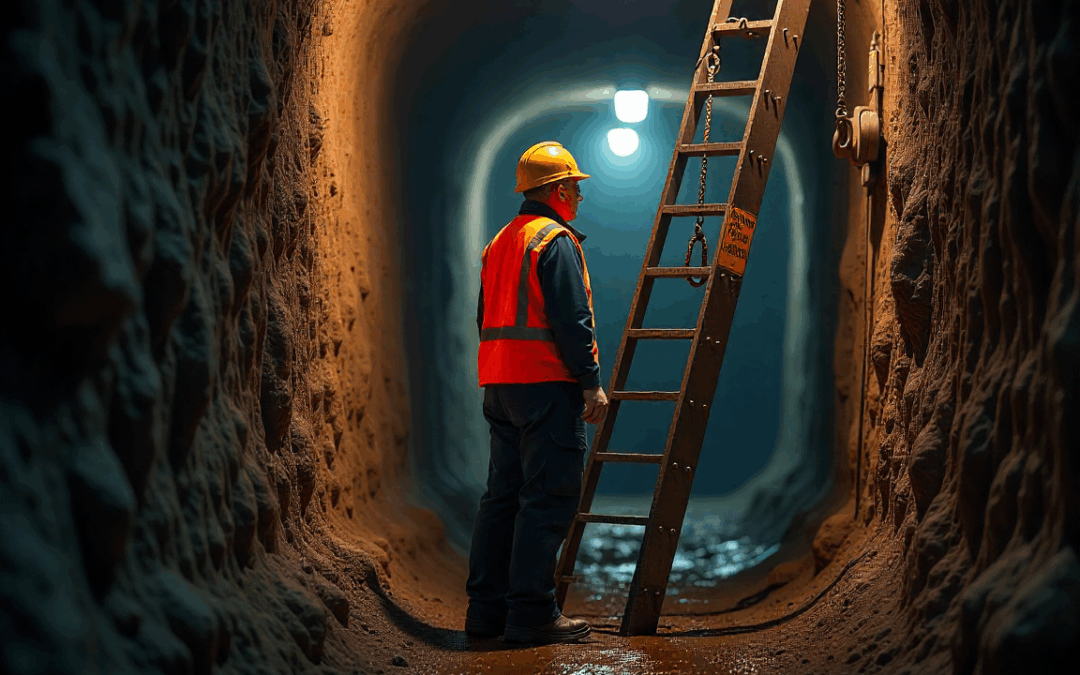
Safety in underground mining starts from the ground up—literally. Ladders are a critical element of miner mobility, and understanding MSHA ladder safety regulations is essential for preventing falls, injuries, and compliance issues. Knowing the rules helps operators design, inspect, and maintain ladders that keep workers safe while ensuring operational efficiency.
Building on prior discussions about strong ladder construction and proper clearances, this article focuses on specific MSHA standards and practical compliance tips. By following these guidelines, miners can climb with confidence, and operators can reduce risks associated with ladder use.
A Breakdown of Key MSHA Requirements for Fixed Ladders
MSHA regulations for fixed ladders address construction, maintenance, and inspection protocols. Requirements cover materials used in ladder construction, proper rung spacing and alignment, structural integrity of side-rails, and adequate access and clearance around ladders. Following these rules ensures ladders safely support miners and withstand the demands of underground environments.
Understanding MSHA Rules for Rung Spacing and Alignment
Proper rung spacing is crucial to preventing slips and missteps. MSHA specifies that rungs must be uniformly spaced—typically around 12 inches apart—and aligned to accommodate miners’ feet comfortably. Misaligned or uneven rungs can increase fall risk, so regular inspections are necessary to ensure rungs remain secure. Maintaining proper spacing allows miners to ascend and descend ladders safely, even when carrying tools or PPE.
MSHA Standards for Ladder Angle, Pitch, and Design Parameters
The angle or pitch of a ladder significantly impacts stability and safety. MSHA requires ladders to maintain a safe pitch, generally between 75° and 90°, and to be securely anchored to prevent shifting or swaying. Reinforced rails and non-slip surfaces are also essential. Adhering to these design standards reduces the risk of falls and provides a reliable climbing experience for miners.
How MSHA Enforces Safe Step-Across Distances at Landings
Step-across distance—the space a miner must traverse between a ladder and a landing—affects safety during transitions. MSHA standards ensure that this distance is minimal enough to prevent overreaching or missteps. Landings should be level and unobstructed, with clear markings and guardrails where necessary. Correct step-across distances prevent common accidents at transition points and improve overall underground safety.
Regulatory Requirements for Ladder Extensions and Access Platforms
Ladder extensions and platforms must meet MSHA standards for load-bearing capacity, stability, and access. They should be securely attached to the main ladder, maintain consistent rung-to-platform spacing, and provide adequate clearance for safe footing and hand placement. Properly designed extensions allow miners to reach work areas safely without risk of ladder collapse or overextension.
Required Safe-Access Points and What MSHA Inspectors Look For
MSHA inspections pay close attention to where miners enter or exit ladders, focusing on adequate clearance, unobstructed routes, and the proper use of guardrails or safety cages. Following essential guidelines for toe clearance, handrails, and safe landings ensures these access points meet safety standards and provide reliable protection. By applying these guidelines, operators not only reduce violations but also give miners the confidence to move safely and efficiently throughout underground work areas.
What MSHA Considers a Serious Ladder Violation—and How to Avoid One
Certain ladder violations are considered serious because they pose a high risk of injury, such as broken or missing rungs, corroded or weak side-rails, and inadequate clearance at landings. Recognizing why proper maintenance is critical to miner safety emphasizes the need for routine inspections, timely repairs, and training miners to report hazards as soon as they are noticed. By making maintenance a consistent priority, operators can prevent serious violations, protect workers, and maintain compliance with MSHA regulations.
Compliance Tips for Mine Operators Managing Multiple Ladder Systems
Operators managing multiple ladders need coordinated inspections, maintenance, and training across all sites. Maintaining detailed inspection logs, scheduling routine maintenance, and standardizing ladder specifications across locations ensures that all miners have safe access, regardless of which area of the mine they are in.
How to Train Miners on MSHA-Approved Climbing Techniques
Proper training reinforces both compliance and safety. Miners should learn correct hand and foot placement, safe climbing speed, and how to carry tools and PPE while maintaining balance. Hands-on practice sessions and periodic refresher courses help miners internalize safe climbing techniques and reduce the risk of accidents.
The Future of Ladder Regulations: Trends and Proposed MSHA Updates
MSHA continuously reviews safety standards to adapt to new mining technologies and emerging hazards. Trends include enhanced monitoring of ladder wear and tear, use of anti-slip materials, ergonomic designs, and integration of smart sensors to check structural integrity. Staying informed about proposed updates allows operators to anticipate changes and proactively maintain compliance.
Staying Ahead of MSHA Ladder Requirements
Climbing safely underground requires a proactive approach to MSHA compliance. Strong ladder construction, proper clearances, consistent inspections, and thorough training create safer mining environments. By following these regulations, miners can navigate ladders confidently, and operators can reduce the risk of falls and regulatory violations. Investing in MSHA-approved ladder systems and training programs protects workers, improves operational efficiency, and ensures compliance across all mining operations.