In mining, safety isn’t something you check off a list and forget about—it’s something we all have a hand in, every single day. Whether you’re running equipment, leading a crew, or managing the entire operation, your decisions and actions matter. Accountability is what holds everything together. When people take ownership of their role in keeping others safe, it creates a culture where safety is second nature.
This article looks at what accountability really means in mining safety and how workers, supervisors, and employers can all step up to make the job site safer for everyone.
Safety in the Mining Industry: An Overview
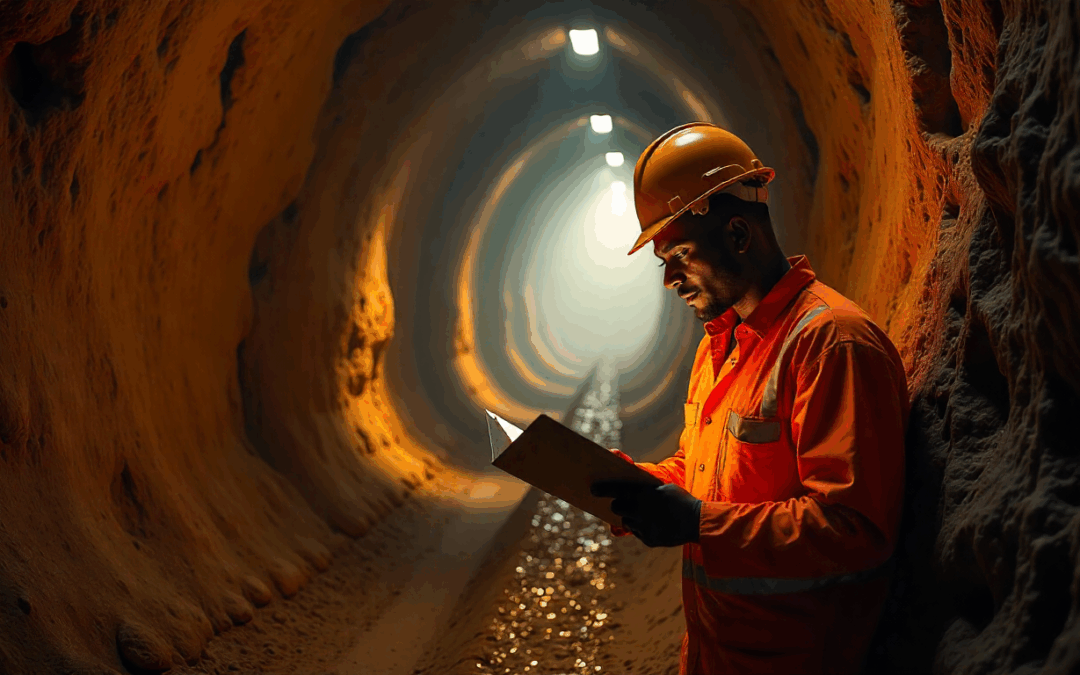
Mining plays a huge role in keeping the economy running, but it also comes with real risks. From operating heavy machinery to working in tough underground conditions, miners face challenges that most industries don’t. That’s why safety in mining can’t be left to chance or chalked up to good luck.
The key to reducing accidents? Accountability. When everyone knows their role and takes safety seriously, incidents are less likely to happen and more lives are protected.
Why Worker Safety Depends on Accountability at Every Level
Safety doesn’t fall on just one person’s shoulders. It’s a shared responsibility. Every decision—whether it’s using the right PPE, double-checking equipment, or sticking to the safety plan—has an impact.
When accountability is strong across the board, people think twice before cutting corners. They know their actions affect their coworkers, and that mindset creates a safer, more reliable workplace for everyone.
The Shared Responsibility of Employers and Employees
Creating a safe work environment starts at the top, but it takes teamwork to make it stick. Employers are expected to provide the systems, resources, and training to protect workers. But employees play a crucial role too by following safety protocols, reporting hazards, and staying alert on the job.
When both sides hold up their end of the deal, safety becomes part of the culture, not just a rule in a handbook.
The Role of Supervisors in Enforcing Safety Protocols
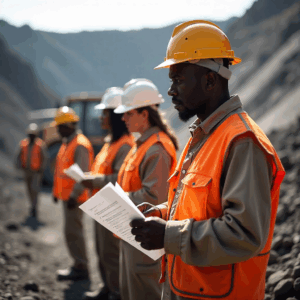
Supervisors are the boots-on-the-ground link between leadership and the workforce. They’re responsible for making sure safety protocols are not only in place but actually followed.
That means holding daily check-ins, correcting unsafe behavior, and setting the tone through example. When supervisors take safety seriously, the rest of the crew usually follows suit.
How MSHA Encourages Accountability Across All Levels
The Mine Safety and Health Administration (MSHA) is more than a regulatory agency—it’s a key player in shaping safe mining practices. Through regular inspections, safety training programs, and compliance enforcement, MSHA keeps everyone—from site managers to new hires—aligned on safety expectations.
Their job is to make sure accountability isn’t just an internal goal, but an industry-wide standard.
Personal Responsibility: What Every Miner Needs to Know
No one knows the conditions underground better than the people working there. That’s why every miner plays a part in keeping the site safe. Here’s what personal responsibility looks like on the job:
- Wearing your PPE—every time
- Following operating procedures carefully
- Speaking up when something doesn’t look right
- Staying up to date with safety training
These aren’t just tasks. They’re habits that protect you and your team.
Fostering a Culture of Safety Through Awareness and Clear Communication
Communication is at the heart of a strong safety culture. Everyone on site needs to understand the safety protocols — and feel comfortable asking questions when something’s unclear.
That starts with clear, regular communication from leadership and continues with open dialogue among coworkers. Safety meetings, toolbox talks, and refresher training are key to keeping everyone informed and focused.
Reporting Hazards Without Fear: Protecting Whistleblowers
One of the biggest barriers to safety is fear—fear of retaliation, of being labeled a troublemaker, or of losing your job. That’s why it’s so important for workers to know that MSHA protects whistleblowers.
If someone reports a hazard or refuses unsafe work, they’re protected by law. Encouraging hazard reporting and taking it seriously shows workers that their voice matters and that management is listening.
Miners’ Rights: Empowering Workers to Ensure Safety
Safety isn’t just something miners should hope for—it’s something they’re entitled to. Under MSHA regulations, miners have important rights that help them speak up and protect themselves:
- The right to refuse unsafe work
- The right to request an MSHA inspection if something feels off
- The right to access training and safety documentation
- The right to report hazards anonymously
These rights empower miners to take an active role in workplace safety. When workers know what they’re entitled to and feel confident using those rights, they help create a safer environment for everyone around them.
The Consequences of Ignoring Safety Procedures
Skipping steps or cutting corners may save a few minutes, but it can also lead to serious injuries, equipment damage, or worse. In some cases, ignoring safety procedures results in heavy fines, site shutdowns, or even criminal charges.
Everyone needs to understand: one careless choice can have life-changing consequences. Safety rules exist for a reason, and following them can be the difference between going home or going to the hospital.
Why Mining Safety Regulations Matter: Lessons from Tragedies
History has shown us—often in tragic ways—what happens when safety is overlooked. From collapsed tunnels to explosions caused by missed warning signs, major mining disasters have led to tighter regulations and better practices.
These incidents serve as powerful reminders of why mining safety regulations matter and how lessons from tragedies have shaped the very foundation of today’s safety standards. Every regulation on the books has a story behind it—and often, it’s a painful one. Staying compliant isn’t about red tape; it’s about making sure history doesn’t repeat itself.
Building Long-Term Accountability Through Continuous Improvement
Accountability isn’t a one-time action—it’s something companies have to work at constantly. As new risks emerge and technology evolves, safety protocols should evolve, too.
That means reviewing procedures regularly, investing in updated equipment, and offering continuous training. The more a company commits to improvement, the stronger its safety culture becomes and the more confidence workers have that their well-being comes first.
Accountability Is the Foundation of Mining Safety
At the end of the day, mining safety comes down to one thing: people taking responsibility. Whether you’re running a crew, handling machinery, or overseeing operations, your choices matter.
When everyone—from company leaders to brand-new hires—steps up, speaks out, and holds themselves accountable, safety becomes more than a rule. It becomes a value. And that’s how we prevent accidents, protect lives, and keep mining operations strong and sustainable.